Gustar and verbs like gustar in Spanish: the complete guide
You want to say "I like Madrid" and out comes yo gusto Madrid. Your Spanish friend smiles politely, and you know something went wrong. Gustar is one of the first verbs every learner meets and one of the last to feel natural, because it is built the other way round from "to like". This guide explains how gustar really works, why the verb agrees with the thing and not with you, what the pronouns me, te, le, nos, os, les are doing there, and when you need a mí. Then we go through the whole family of verbs like gustar: encantar, interesar, molestar, importar, doler, parecer, faltar, quedar, sobrar and more, with a mí también and a mí tampoco, the past tenses, the typical mistakes of English speakers, real dialogues and exercises with answers.
If you are also fighting with other classic pairs, keep ser vs estar and por vs para open in another tab: together with gustar they cause most of the "small" errors that Spaniards notice straight away.
How does gustar work in Spanish?
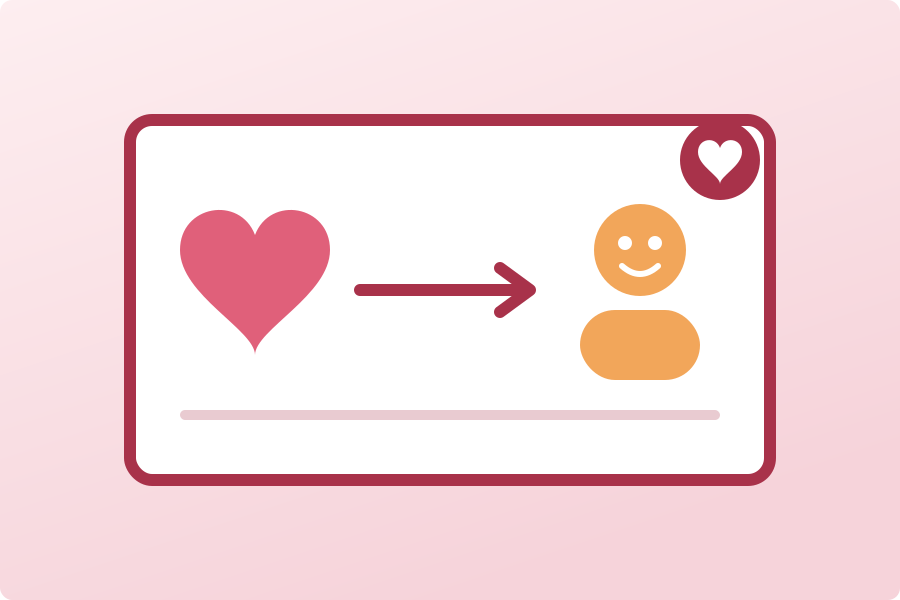
Gustar does not mean "to like" in the English sense. It means "to be pleasing to". The thing you like is the grammatical subject, and the person who likes it appears as an indirect object pronoun: me gusta el café literally says "coffee is pleasing to me".
Once you see this, the whole structure stops looking strange. Compare:
| English thinking | Spanish structure | Literal meaning |
|---|---|---|
| I like coffee. | Me gusta el café. | Coffee pleases me. |
| You like films. | Te gustan las películas. | Films please you. |
| She likes Valencia. | Le gusta Valencia. | Valencia pleases her. |
| We like dancing. | Nos gusta bailar. | Dancing pleases us. |
The formula is always the same:
(A + person) + indirect object pronoun + gusta / gustan + thing
The pronoun is not optional. Gusta el café on its own tells nobody who likes it. The pronoun is where the "who" lives:
| Person | Pronoun | Example |
|---|---|---|
| yo | me | Me gusta el mar. |
| tú | te | ¿Te gusta el mar? |
| él / ella / usted | le | Le gusta el mar. |
| nosotros / nosotras | nos | Nos gusta el mar. |
| vosotros / vosotras | os | ¿Os gusta el mar? |
| ellos / ellas / ustedes | les | Les gusta el mar. |
Notice that usted takes le and ustedes takes les. In a shop in Spain you will often hear ¿Le gusta este modelo? - "Do you like this model?" - addressed to you politely, not to a third person. And remember that os is the plural "you" used in Spain; in Latin America people say les for "you all".
A useful habit: when you want to say you like something, first ask yourself "what is the thing?" That thing decides the form of the verb. Then ask "who is pleased?" That person becomes the pronoun in front.
Gustar or gustan: singular or plural?
Use gusta when the thing you like is singular or is a verb in the infinitive. Use gustan when the thing is plural. The person who likes it never changes the verb: me gusta, nos gusta and les gusta are all singular if the thing is singular.
This is the point where English speakers lose the most marks, so look at the pairs:
- Me gusta el chocolate. - Me gustan los bombones.
- Nos gusta la playa. - Nos gustan las playas del norte.
- Les gusta el fútbol. - Les gustan los deportes.
- ¿Te gusta esta canción? - ¿Te gustan estas canciones?
Three rules settle almost every case:
- Infinitives are singular. Me gusta leer. Even with several verbs: Me gusta leer, cocinar y viajar (not gustan). Each infinitive is an activity, and Spanish treats the list as one idea.
- Two singular nouns joined by y normally take the plural. Me gustan el cine y el teatro. In speech you will also hear me gusta el cine y el teatro, especially when the first noun comes right after the verb, but the plural is the safe choice in writing.
- Uncountable nouns are singular. Me gusta la música, me gusta la gente, me gusta la fruta. Careful with la gente: it is singular in Spanish even though "people" is plural in English, so it is me gusta la gente de aquí, never me gustan la gente.
What about people? You can gustar someone, and then the person is the subject: Me gustas means "I like you" (you please me), often with a romantic touch. Le gusto a tu madre means "your mother likes me". This is a good test of whether you have really understood the structure: in me gustas, the verb ending -s belongs to tú, the person who is liked.
| Spanish | Who likes | Who is liked |
|---|---|---|
| Me gustas. | yo | tú |
| Te gusto. | tú | yo |
| Le gustamos. | él / ella | nosotros |
| Nos gustáis. | nosotros | vosotros |
For everyday friendship, Spaniards prefer me caes bien ("I like you, you're nice") instead of me gustas, which can sound flirtatious. More on caer bien below.
Gustar: myths and facts
- MythGustar is just the Spanish for «to like».FactIt works like «to please»: the thing you like is the subject, the person is the pronoun.
- MythWith a mí you can drop me.FactThe pronoun is always required: a mí me gusta. A mí only adds emphasis.
- MythSeveral infinitives make gustan.FactInfinitives stay singular: me gusta leer y nadar.
- Myth«Me too» is always yo también.FactAfter gustar-type verbs it is a mí también, and after a negative a mí tampoco.
Why do you say "a mí me gusta"?
A mí, a ti, a él and the rest are optional additions that add emphasis or clarity. Me gusta is complete; a mí me gusta means "I like it" with stress on "I", typically to contrast with someone else. With le and les you often need a + name to make clear who you mean.
The full set:
| Emphasis / clarity | Pronoun | Example |
|---|---|---|
| a mí | me | A mí me encanta el invierno. |
| a ti | te | ¿Y a ti te gusta? |
| a él / a ella / a usted | le | A ella le gusta, pero a él no. |
| a nosotros / a nosotras | nos | A nosotros nos gusta madrugar. |
| a vosotros / a vosotras | os | ¿A vosotros os interesa? |
| a ellos / a ellas / a ustedes | les | A mis padres les gusta Granada. |
Two points surprise learners:
- The pronoun stays even when you use a mí. A mí gusta el café is wrong. A mí me gusta el café looks redundant to English eyes, but in Spanish the pronoun is the core and a mí is the extra. This doubling is completely normal.
- With a name, you still keep le or les. A Laura le gustan los gatos. A mis hijos les encanta el parque. Dropping le (A Laura gustan los gatos) is a typical learner error.
When do you actually use a mí? Mainly in three situations:
- Contrast: A mí me gusta el té, pero a mi pareja le gusta el café.
- Short answers: ¿A quién le gusta el picante? - A mí. Here a mí stands alone.
- Clarity with le / les: Le gusta could mean he, she or you (usted). A usted le gusta removes the doubt.
Notice also the stress: mí with an accent is the pronoun; mi without an accent is "my" (mi casa). Ti never takes an accent.
Verbs like gustar: encantar, interesar, molestar, importar
Many common Spanish verbs follow exactly the same pattern as gustar: the thing is the subject and the person is the indirect object pronoun. The most frequent are encantar, interesar, molestar, importar, preocupar, apetecer, fascinar, aburrir and caer bien / mal.
Here they are with their real meaning in everyday Spain:
| Verb | Meaning | Example |
|---|---|---|
| encantar | to love (things, activities) | Me encanta el jamón. |
| interesar | to interest | Nos interesa la historia de Toledo. |
| molestar | to bother, annoy | Me molesta el ruido de la calle. |
| importar | to matter, mind | ¿Te importa si abro la ventana? |
| preocupar | to worry | A mis padres les preocupa el precio del alquiler. |
| apetecer | to feel like (very common in Spain) | ¿Te apetece un café? |
| fascinar | to fascinate | Le fascinan los mercados. |
| aburrir | to bore | Me aburren las reuniones largas. |
| caer bien / mal | to like / dislike a person | Tu jefe me cae muy bien. |
| dar miedo / pena / igual | to scare, to feel sorry, not to care | Me dan miedo las arañas. Me da igual. |
Some notes from real use:
Encantar is already strong. It means "to love" for things and activities, so teachers advise against me encanta mucho: it sounds redundant. Say simply me encanta, or colloquially me chifla or me flipa. For people you love, use querer: te quiero.
Apetecer is your best friend in Spain. Spaniards use it constantly for invitations: ¿Te apetece ir al cine? - "Do you fancy going to the cinema?" No me apetece nada - "I don't feel like it at all." It sounds softer and more natural than ¿quieres...?
Importar is the polite request verb. ¿Le importa cerrar la puerta? - "Would you mind closing the door?" The answer No, no me importa means "No, I don't mind", so it is a yes. Many learners answer sí and confuse everyone.
Caer bien / mal is for people. Me cae bien tu hermano - "I like your brother" (as a person). Me cae fatal - "I can't stand him." Use it for neighbours, colleagues and teachers; gustar with a person suggests attraction.
Dar + noun works the same way. Me da miedo conducir en Madrid. Nos da pena irnos. Me da igual ("I don't mind / I don't care"). Me da vergüenza hablar en público - "I'm embarrassed to speak in public."
Not every "feeling" verb works like gustar. Odiar ("to hate"), amar and querer are normal verbs: odio el ruido, quiero a mi familia. Preferir is normal too: prefiero el té.
Doler: how to say something hurts in Spanish
To say that something hurts, Spanish uses doler with the gustar pattern: me duele la cabeza ("my head hurts"), me duelen los pies ("my feet hurt"). The part of the body is the subject, it takes the definite article, not a possessive, and the verb is irregular: duele / duelen.
This matters the day you sit in a Spanish health centre and the doctor asks ¿Qué le pasa? or ¿Dónde le duele?
| Spanish | English |
|---|---|
| Me duele la cabeza. | I have a headache. |
| Me duele la garganta. | I have a sore throat. |
| Me duele el estómago / la tripa. | I have a stomach ache. |
| Me duelen las muelas. | My back teeth hurt. |
| A mi hijo le duele el oído. | My son has an earache. |
| ¿Te duele mucho? | Does it hurt a lot? |
| Me duele aquí. | It hurts here. |
Three things to remember:
- Article, not possessive. Me duele la espalda, not me duele mi espalda. The pronoun me already says whose back it is. The same happens with me lavo las manos and me he roto el brazo.
- Plural body parts, plural verb. Me duelen los ojos, me duelen las piernas.
- The stem changes. Doler is o→ue in the present: duele, duelen. In the past it is regular: me dolió la cabeza toda la noche, me dolía la rodilla cuando corría.
An alternative you will also hear: tengo dolor de cabeza or simply tengo dolor de muelas. Both are correct; me duele is the most natural in conversation.
Doler also works for emotions: Me duele que no me llames - "It hurts me that you don't call." Note the subjunctive after que, which applies to the whole gustar family when the subject is a full clause (see the next sections).
Parecer, faltar, quedar and sobrar
Four more verbs follow the gustar pattern and are essential for daily life: parecer for opinions (me parece bien), faltar for what is missing (me falta un papel), quedar for what is left and for how clothes fit (me queda pequeño) and sobrar for what is extra (nos sobra comida).
Parecer - giving opinions
¿Qué te parece el piso? - "What do you think of the flat?" Me parece caro - "It seems expensive to me." The adjective agrees with the thing: me parecen caras las entradas. Useful chunks:
- Me parece bien / mal. - I think it's fine / not OK.
- Me parece genial. - Sounds great.
- ¿Te parece si quedamos a las ocho? - How about meeting at eight?
- Me parece que va a llover. - I think it's going to rain. (me parece que + indicative)
Do not confuse it with parecerse a ("to look like"): te pareces a tu padre. That is a reflexive verb, not the gustar pattern.
Faltar - missing, lacking
At any Spanish office you will hear Le falta un documento - "You're missing a document." Me faltan dos euros. Nos falta tiempo. ¿Cuánto te falta? ("How much longer do you need?"). It also counts time: Faltan diez minutos para las tres ("It's ten to three"), impersonal, with no pronoun.
Quedar - left over, and how things fit
- Me quedan tres días de vacaciones. - I have three days of holiday left.
- ¿Te queda dinero? - Do you have any money left?
- Esta camisa me queda grande. - This shirt is too big for me.
- Te queda muy bien ese color. - That colour really suits you.
Careful: quedar without a pronoun has other uses. Quedamos a las ocho means "we're meeting at eight", and quedarse means "to stay": me quedo en casa.
Sobrar - more than needed
Nos sobra pan - "We have bread left over / too much bread." Te sobran motivos - "You have more than enough reasons." Me sobra una entrada, ¿la quieres? - "I've got a spare ticket, do you want it?"
Other verbs in the family worth knowing: tocar (it's my turn: te toca a ti; and for lottery: me ha tocado la lotería), pasar (¿Qué te pasa? - "What's wrong?"), costar in the sense of "to find difficult" (me cuesta entender a los andaluces) and hacer falta (no hace falta - "there's no need").
A mí también or a mí tampoco? Agreeing and disagreeing
To agree with a positive statement, say a mí también. To agree with a negative one, say a mí tampoco. To disagree, flip it: a mí no after a positive, a mí sí after a negative. With gustar verbs you must use a mí, never yo.
This is the reply learners get wrong most often, because English says "me too" and "me neither" for everything, and with normal verbs Spanish uses yo también / yo tampoco. The trick is to match the structure of the sentence you are answering.
| They say | You agree | You disagree |
|---|---|---|
| Me gusta el flamenco. | A mí también. | A mí no. |
| No me gusta el frío. | A mí tampoco. | A mí sí. |
| Me duele la cabeza. | A mí también. | A mí no. |
| No me apetece salir. | A mí tampoco. | A mí sí. |
| Me encanta Sevilla. | A mí también. | Pues a mí no mucho. |
Compare with normal verbs:
| They say | You agree | You disagree |
|---|---|---|
| Vivo en Madrid. | Yo también. | Yo no. |
| No tengo coche. | Yo tampoco. | Yo sí. |
The same logic works for other persons: A mi hermana también. A nosotros tampoco. A ellos sí. And with tú: ¿A ti también?
A classic trap: answering No me gusta el frío with A mí también. Literally that would mean "I like it too", which contradicts what you mean. Remember: también follows a yes, tampoco follows a no.
In real conversation Spaniards often soften the disagreement: Pues a mí sí, la verdad, ¿En serio? A mí me encanta, Bueno, a mí no me disgusta.
Gustar in the past and other tenses
Gustar verbs change tense like any other verb, but you still conjugate only the third person: gustó / gustaron, gustaba / gustaban, ha gustado / han gustado, gustará / gustarán, gustaría / gustarían. The person still appears only in the pronoun.
| Tense | Singular thing | Plural thing |
|---|---|---|
| Present | me gusta | me gustan |
| Preterite | me gustó | me gustaron |
| Imperfect | me gustaba | me gustaban |
| Present perfect | me ha gustado | me han gustado |
| Future | me gustará | me gustarán |
| Conditional | me gustaría | me gustarían |
| Present subjunctive | que me guste | que me gusten |
Which past to use? The same logic as in our guide to the preterite vs the imperfect:
- Preterite for a one-off reaction: ¿Te gustó la película? - Me encantó. (You saw it once.)
- Imperfect for habits and background: De pequeño no me gustaban las verduras.
- Present perfect for today or recent experiences, very common in Spain: ¿Qué tal la cena? - Me ha gustado mucho.
Me gustaría is the polite way to say what you want: Me gustaría pedir cita ("I'd like to make an appointment"), Me gustaría hablar con el director. It is softer than quiero, and you will use it daily in offices and shops.
When the subject is a clause, the verb stays singular and you need que + subjunctive if the subject of that clause is a different person:
- Me gusta cocinar. (I cook - infinitive)
- Me gusta que mis hijos cocinen. (someone else cooks - subjunctive)
- Me molesta que la gente hable alto en el tren.
- Nos encantaría que vinierais a la boda.
Common mistakes English speakers make with gustar
Most gustar errors from English speakers come from translating "I like" word for word: using yo as subject, making the verb agree with the person, forgetting the pronoun, answering with yo también, or saying me gusta mucho where me encanta fits. Each one has a quick fix.
| Mistake | Correct | Why |
|---|---|---|
| Yo gusto el café. | Me gusta el café. | The thing is the subject, you are me. |
| Me gusto los perros. | Me gustan los perros. | The verb agrees with los perros. |
| Nos gustamos la playa. | Nos gusta la playa. | La playa is singular. |
| A mí gusta bailar. | A mí me gusta bailar. | The pronoun is never optional. |
| A María gusta el té. | A María le gusta el té. | Keep le with names. |
| Me gustan leer y nadar. | Me gusta leer y nadar. | Infinitives take singular. |
| Me encanta mucho. | Me encanta. | Encantar already means "love". |
| Me duele mi cabeza. | Me duele la cabeza. | Article, not possessive. |
| Yo también (to me gusta) | A mí también. | Match the gustar structure. |
| A mí también (to no me gusta) | A mí tampoco. | Negative needs tampoco. |
| Te gusto mucho (meaning "you like it") | Te gusta mucho. | Te gusto = "you like me". |
Two more traps specific to English speakers:
"I like you" with friends. Me gustas can sound like a declaration. With a new colleague or a friend's partner, say me caes muy bien.
"I don't care". English speakers say no me importa for everything. It is correct, but in Spain me da igual is much more common and less cold. No me importa can sound harsh if you mean "I don't care about you".
How do these errors disappear? Not by reading the rule once more. They go when you have to react fast in conversation - a mí tampoco, me encantó, me cae bien - and someone corrects you on the spot. That is why in our group Spanish course these little reactions are practised in pairs and in short role-plays until they come out without thinking.
Gustar in real dialogues
Here are three short scenes from everyday life in Spain. Read them aloud and notice which verb agrees with what. The gustar verbs are in bold.
1. Choosing a flat
- ¿Qué te parece el piso?
- Me gusta mucho la luz, pero me parecen pequeñas las habitaciones.
- A mí también. Y me preocupa el ruido de la calle.
- A mí no tanto. Lo que me encanta es la terraza.
- Bueno, nos quedan dos pisos por ver. ¿Te apetece un café antes?
Note me parecen pequeñas las habitaciones: plural subject, plural verb, adjective agreeing with habitaciones.
2. At the doctor's
- Buenos días. ¿Qué le pasa?
- Me duele mucho la garganta y me duelen los oídos.
- ¿Desde cuándo?
- Desde el lunes. Por la noche me dolía más.
- ¿Tiene fiebre? ¿Le molesta la luz?
- No, la luz no. Pero me cuesta tragar.
The doctor uses le because they speak to you as usted. You answer with me.
3. Planning the weekend with friends
- ¿Qué os apetece hacer el sábado?
- A mí me encantaría ir a la sierra.
- A mí también, pero a Pablo no le gusta madrugar.
- Y a mí no me gustan las rutas largas.
- A mí tampoco. ¿Y si vamos a comer al pueblo?
- Me parece genial. Me da igual la hora.
Look how a mí también and a mí tampoco each reply to the sentence just before. A good exercise: cover the answers and try to produce them yourself after each line.
Exercises: gustar and similar verbs with answers
Do the exercises in writing first, then say each sentence aloud. The answers are at the end of each block.
Exercise 1. Gusta or gustan?
- Me ___ las películas de Almodóvar.
- A mi padre le ___ pescar.
- ¿Os ___ el gazpacho?
- A los niños les ___ los columpios.
- Nos ___ viajar y conocer gente.
- ¿Te ___ estos zapatos?
- A Ana le ___ la gente de su pueblo.
Answers: 1 gustan, 2 gusta, 3 gusta, 4 gustan, 5 gusta, 6 gustan, 7 gusta.
Exercise 2. Add the missing pronoun.
- A mí ___ encanta el café con leche.
- A vosotros ___ interesa este curso.
- A Luis ___ duelen las rodillas.
- A ti ___ cae bien la vecina, ¿no?
- A mis amigos ___ falta dinero para el viaje.
- A nosotras ___ molesta el humo.
Answers: 1 me, 2 os, 3 le, 4 te, 5 les, 6 nos.
Exercise 3. A mí también, a mí tampoco, a mí sí or a mí no?
- Me encanta el verano. (you agree)
- No me gustan los lunes. (you agree)
- No me apetece cocinar hoy. (you disagree)
- Me duele la espalda. (you disagree)
- Vivo cerca del centro. (you agree)
Answers: 1 A mí también. 2 A mí tampoco. 3 A mí sí. 4 A mí no. 5 Yo también (normal verb!).
Exercise 4. Choose the right verb: gustar, doler, parecer, faltar, quedar, apetecer.
- Este pantalón me ___ corto.
- ¿Qué te ___ la nueva profesora?
- Me ___ la muela desde ayer.
- Nos ___ dos firmas para terminar el trámite.
- ¿Te ___ una cerveza?
- Me ___ mucho tu pueblo, es precioso.
Answers: 1 queda, 2 parece, 3 duele, 4 faltan, 5 apetece, 6 gusta.
Exercise 5. Correct the mistakes.
- Yo gusto mucho la paella.
- Me encanta mucho bailar.
- A Marta gustan los gatos.
- Me duele mi pie.
- —No me gusta el café. —A mí también.
Answers: 1 Me gusta mucho la paella. 2 Me encanta bailar. 3 A Marta le gustan los gatos. 4 Me duele el pie. 5 A mí tampoco.
Exercise 6. Put into the past.
- Me gusta la exposición. (yesterday)
- De niño no me gustan las espinacas. (habit)
- ¿Os gusta el concierto? (this evening)
Answers: 1 Ayer me gustó la exposición. 2 De niño no me gustaban las espinacas. 3 ¿Os ha gustado el concierto?
Final speaking task. Say five sentences about your life in Spain using five different verbs: one thing you love (me encanta), one that bothers you (me molesta), one thing you still lack (me falta), one opinion (me parece) and one wish (me gustaría). Then ask the same questions to someone else and react with a mí también / tampoco. When you can do it without stopping, the pattern is yours.
Gustar: check yourself
Me ___ los perros.
Frequently asked questions
When do you use gusta and when gustan?
Use gusta when the thing you like is singular or an infinitive (me gusta el café, me gusta leer) and gustan when it is plural (me gustan los gatos). The person who likes it never changes the verb.
Why do Spaniards say «a mí me gusta» with two pronouns?
Me is the required pronoun; a mí is an optional addition for emphasis or contrast. You can say me gusta alone, but never a mí gusta without me.
Is it «a mí también» or «yo también»?
With gustar-type verbs you answer a mí también (agree with a positive) or a mí tampoco (agree with a negative). Yo también is for normal verbs like vivir or tener.
What are the most common verbs like gustar?
Encantar, interesar, molestar, importar, preocupar, apetecer, doler, parecer, faltar, quedar, sobrar, caer bien / mal and expressions with dar, such as me da igual or me da miedo.
How do you say «my head hurts» in Spanish?
Me duele la cabeza. The body part is the subject and takes the article, not mi. For plural body parts the verb is plural: me duelen los pies.
Can I say «me gustas» to a friend?
It is grammatical, but it usually sounds romantic. For friends, colleagues or neighbours Spaniards say me caes bien.
Book your free trial lesson
One to one with a native teacher, on Zoom.
Times shown in your zone: Europe/Madrid
1. Pick a day
Loading the timetable…
3. Your email for the confirmation and the Zoom link
One-to-one lessons with a native teacher
On Zoom with a qualified teacher from Spain who also speaks English.