Our Method
How we develop our Spanish courses and teaching methodology
This page explains how ProLang courses are actually developed. We believe it is important to describe our methodology openly and honestly, without buzzwords, inflated claims, or marketing cliches. ProLang does not sell miracle methods and does not promise fluency overnight. Here you will find a straightforward account of how our teaching process works in practice.
ProLang is an independent online language school. We take a structured approach to course development because we believe that effective language teaching requires careful planning at every stage. Our courses combine proven pedagogical frameworks with modern tools, and each program goes through multiple rounds of review before reaching students.
We do not rely on a single teaching philosophy and do not treat any one method as the only valid approach. Language learning is a complex process, and we believe the best results come from combining different techniques depending on the student's level, goals, and native language background.
ProLang is a small school, and we say so plainly: one person is responsible for what the courses contain and for how the lessons go. There are no freelance contributors or partner institutions here to point to.
The ProLang course catalog grows gradually and deliberately. We do not rush to add new programs just to expand the offering. Each course is launched only after thorough testing, internal review, and a conscious decision that we are ready to stand behind it.
Course development process
ProLang follows a multi-stage course development process that begins with research and ends with ongoing refinement after launch. We see no reason to hide the details of this process behind vague language.
Every new course starts with an analysis of student needs: what level they are starting from, what skills they want to develop, and what real-life situations they need to handle. This research shapes the curriculum structure, lesson pacing, and choice of materials.
The syllabus is written by the same teacher who then works from it: lessons are built around clear learning objectives, and grammar, vocabulary, listening, speaking, reading and writing run together in every unit rather than separately.
All course materials go through a pilot phase with a small group of students. Feedback from this testing period is used to adjust difficulty, fix unclear explanations, and improve exercise design before the course becomes available to the wider audience.
After launch, courses continue to evolve. We track student progress data, collect feedback through regular surveys, and update materials at least twice a year to keep them current and effective.
Teaching methods and approaches
- Communicative Language Teaching as the primary framework, focused on real-world interaction
- Task-based learning with practical exercises that simulate everyday and professional situations
- Immersion elements including authentic audio and video from native speakers
- Spaced repetition systems for vocabulary retention and long-term memory building
- Adaptive difficulty that adjusts to each student's pace and performance
- Regular speaking practice with the teacher, not just self-study modules
Quality control and accountability
Every course, regardless of who developed it, undergoes a structured review process before being added to the catalog. Lesson content is checked for accuracy, clarity, appropriate difficulty progression, and alignment with learning objectives.
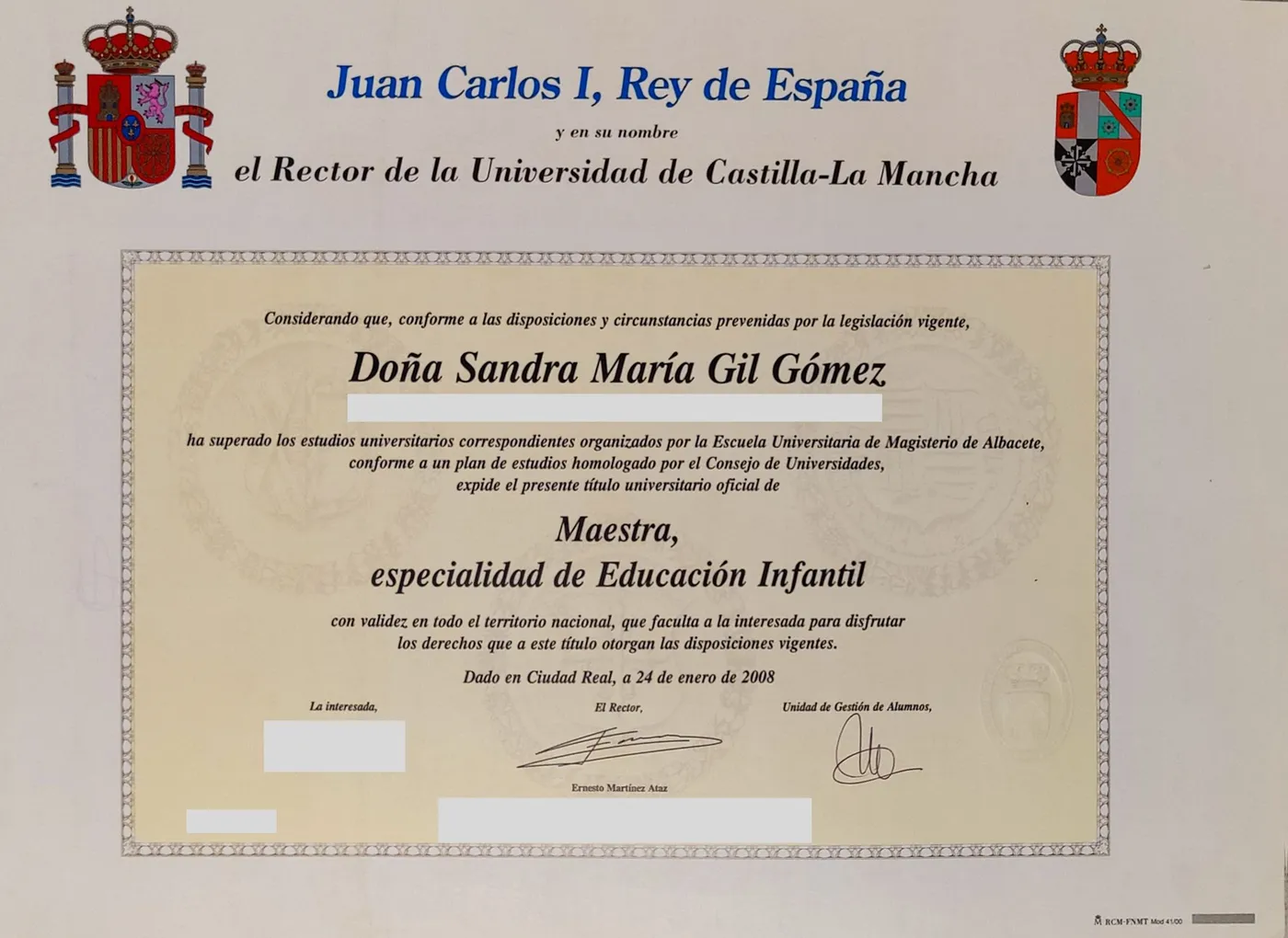
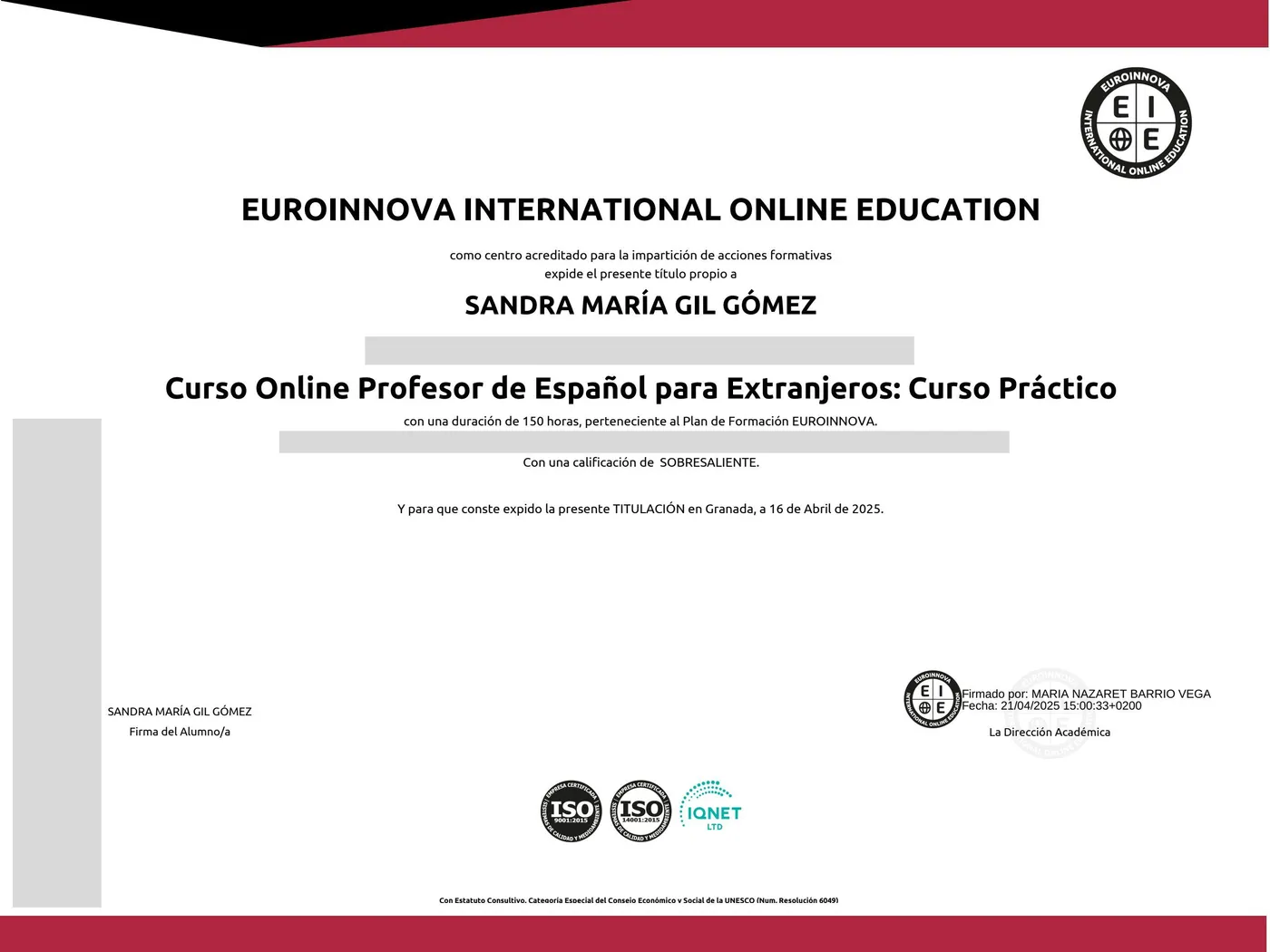
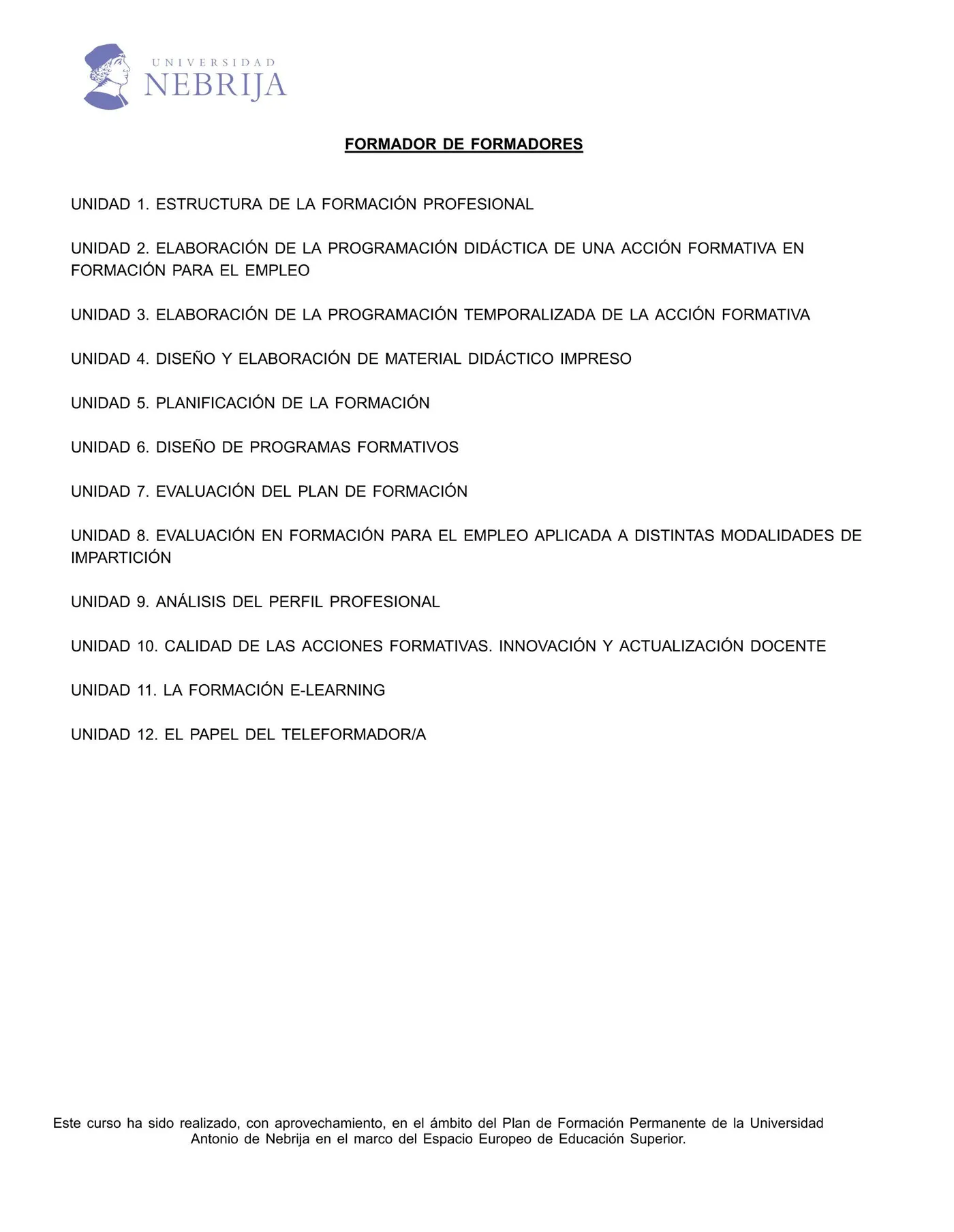
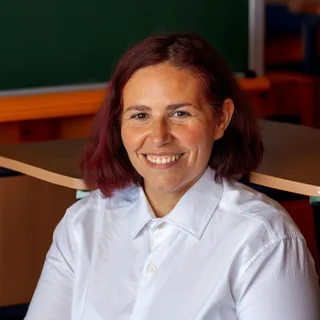
Lessons are taught by one teacher: a native Spanish speaker with a state teaching degree and a separate qualification in teaching Spanish as a foreign language. The school is small and has no teaching staff, and we do not pretend otherwise - you know in advance who will teach your lesson, and the teacher's credentials are published on this site.
Student satisfaction is measured systematically. After each course module, students provide structured feedback on lesson clarity, teacher performance, material quality, and overall learning experience. This data directly informs course updates.
We accept that no course is perfect from day one. What matters is that weak spots are found and fixed. A small school has an advantage here: the course is taught by the person who wrote it, so a remark from today's lesson reaches the syllabus directly, with no department in between.
Responsibility for teaching quality lies with ProLang. One person teaches the lessons, so there is nobody to pass it on to.
Principle of transparency
ProLang does not claim that our methodology is revolutionary or that we have discovered a secret formula for language learning. We consider such claims misleading and disrespectful to students.
We openly communicate what our courses can and cannot achieve. Learning a language takes time and consistent effort. We provide the structure, materials, and guidance, but results depend on the student's commitment as well.
We do not inflate teacher credentials or fabricate success statistics. When we share student outcomes, they are based on actual completion and assessment data, not cherry-picked testimonials.
In the context of ProLang, our method means courses that are carefully designed, rigorously tested, and continuously improved. We stand behind the quality of our teaching, not behind a marketing narrative.
ProLang's approach to course development combines methodological rigor with genuine responsiveness to student needs. Every course in our catalog reflects this commitment to quality, transparency, and continuous improvement.
Browse the ProLang course catalog
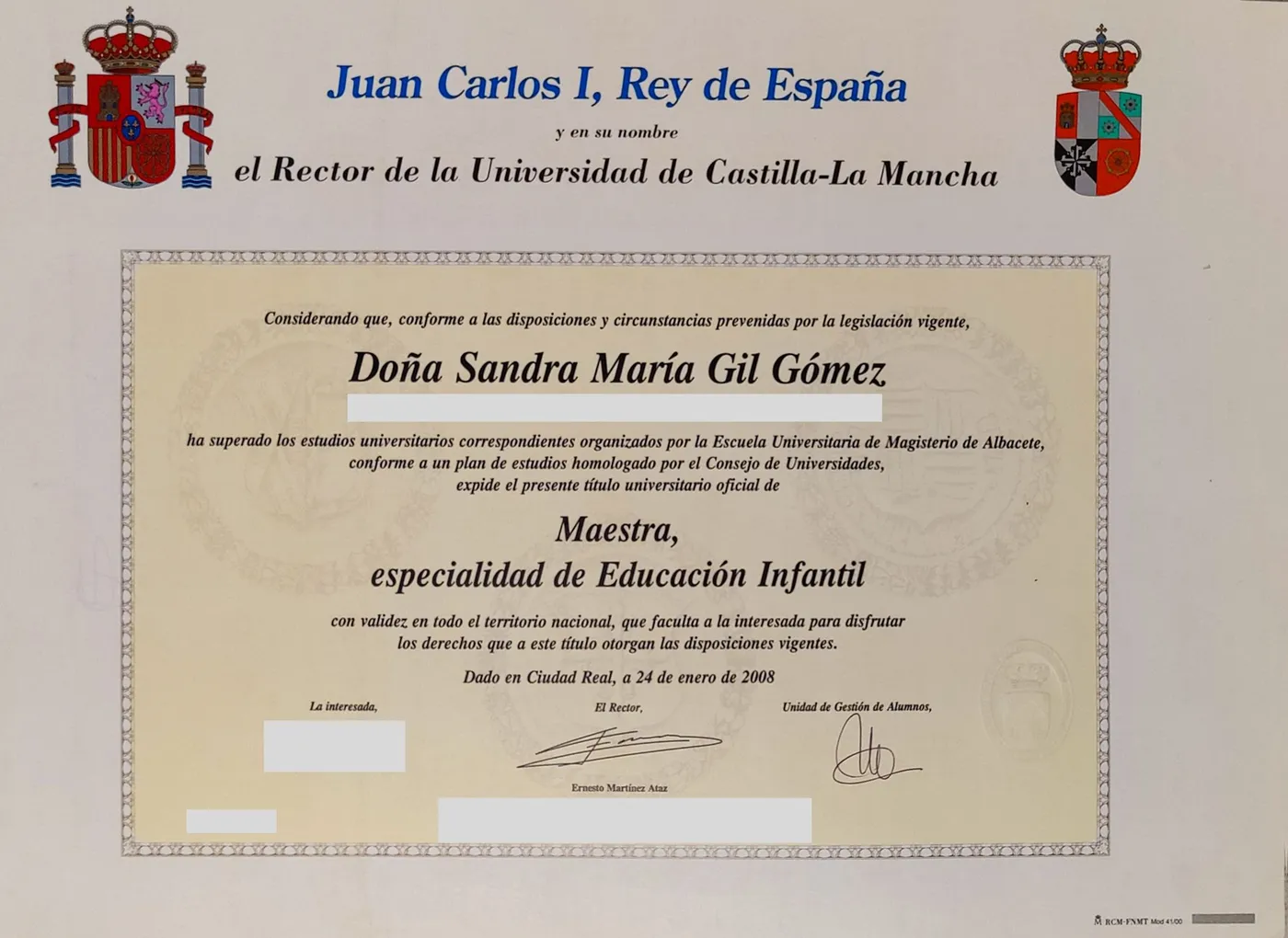 Teaching degree, Early Childhood Education (Maestra en Educación Infantil) · UCLM, 2008
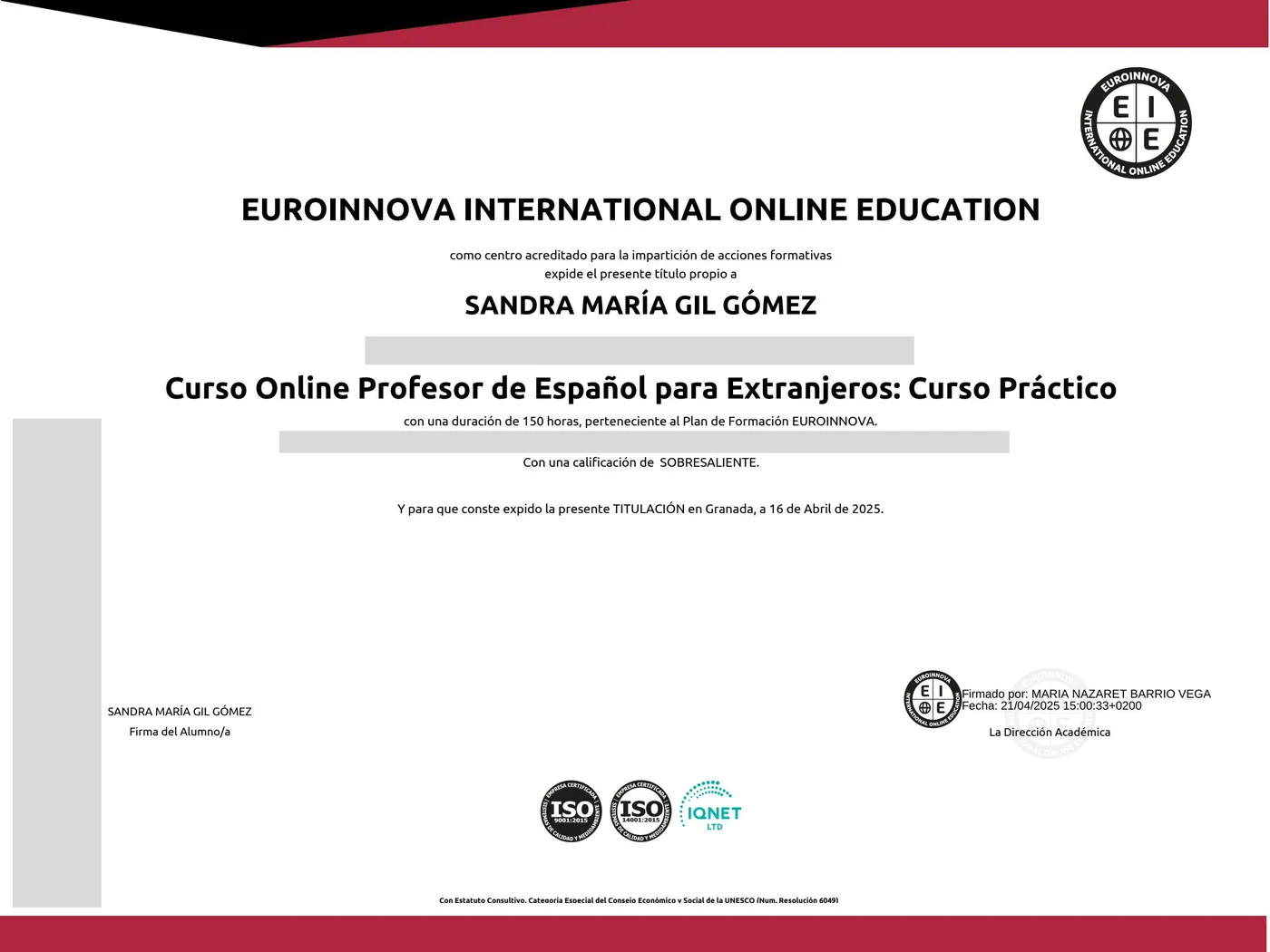 Teaching Spanish to foreigners, 150 h · Euroinnova, 2025
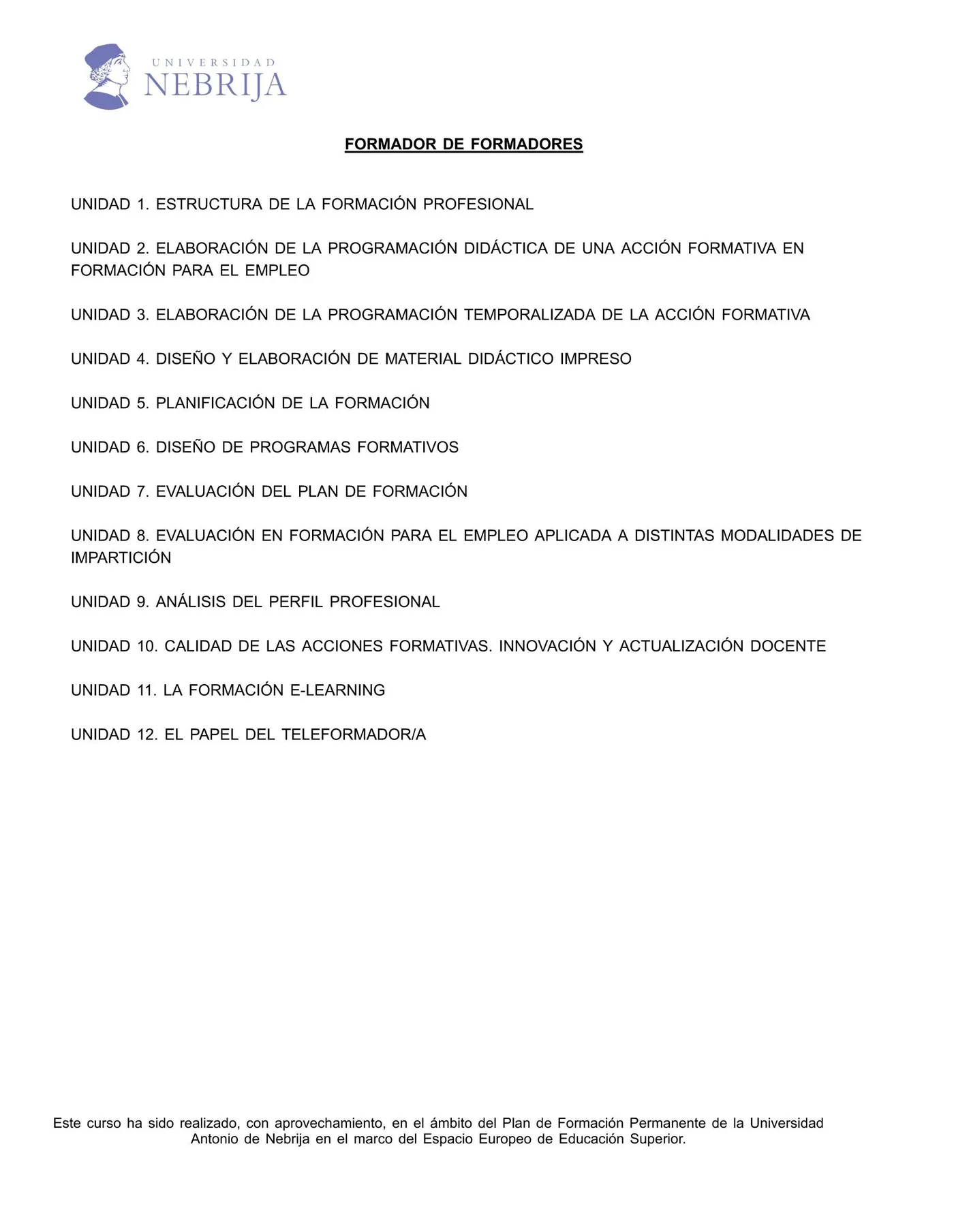 Training teachers (Formador de Formadores) · Universidad Nebrija, 2025