Spain or Latin America: which Spanish to learn

Everyone asks this before the first lesson: should I learn "Spanish from Spain" or Latin American Spanish? The difference is real, but smaller than the gap between British and American English, and it never blocks understanding. A Spaniard and an Argentinian talk freely without an interpreter.
Still, you have to pick one, because learning both at once is a reliable way to get tangled in details.
What actually differs
The c and z sounds. In Spain, cinco and zapato carry a th-sound. In Latin America they are a plain s. This is the most audible difference - a Spaniard is recognisable from the first sentence.
Vosotros. The informal plural "you" exists only in Spain: vosotros habláis. Latin America uses ustedes for both formal and informal. The form is not hard, but it has to be learned separately - and if you do not need it, that is time saved.
Voseo. In Argentina, Uruguay and parts of Central America, vos replaces tú with its own endings: vos hablás instead of tú hablas. Outside those countries nobody speaks that way.
Past tense. Spain leans on he comido for recent events, Latin America on comí. Both are correct; the difference is habit.
The vocabulary that gets awkward
| Word | In Spain | In Latin America |
|---|---|---|
| coche | car | usually carro or auto |
| ordenador | computer | computadora |
| móvil | mobile phone | celular |
| zumo | juice | jugo |
| patata | potato | papa |
| coger | to take, to catch (a bus) | in several countries, vulgar |
That last row is the famous one. Voy a coger el autobús is ordinary in Spain and produces an awkward silence in Argentina or Mexico.
Choosing by your goal
You live in Spain or are moving there. The choice makes itself: local pronunciation, vosotros, local vocabulary and paperwork. Residency, the doctor, the school, the town hall - all of it in that variety.
You work with Latin America. Take a neutral Latin American variety: no vosotros, no th-sound.
You are learning for yourself, for travel, for the series you watch. Take whichever sounds better to you. You will understand both anyway - passively, from films and music - while speaking in one consistent style.
You are preparing for DELE. The exam is run by the Instituto Cervantes and does not require the Spanish of Spain: regional varieties are accepted as long as your usage is consistent.
What not to do
Do not mix varieties inside one sentence. Vosotros together with Argentinian vos sounds as odd as switching accents mid-word.
And do not postpone starting over this choice. For the first six months you learn what is common to all of them: conjugations, ser and estar, por and para, core vocabulary. The differences start to matter later, once you can already speak.
How we teach it
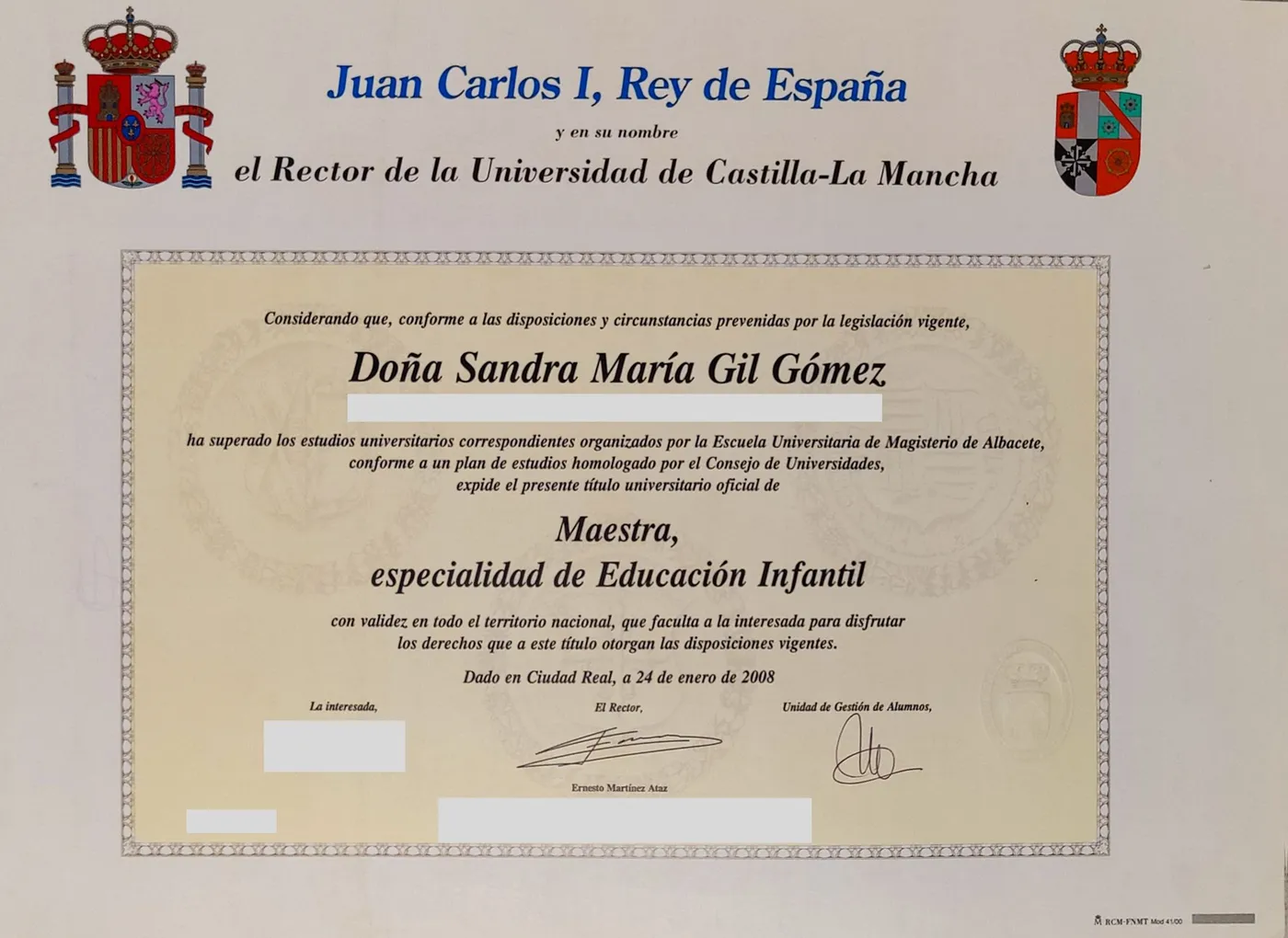
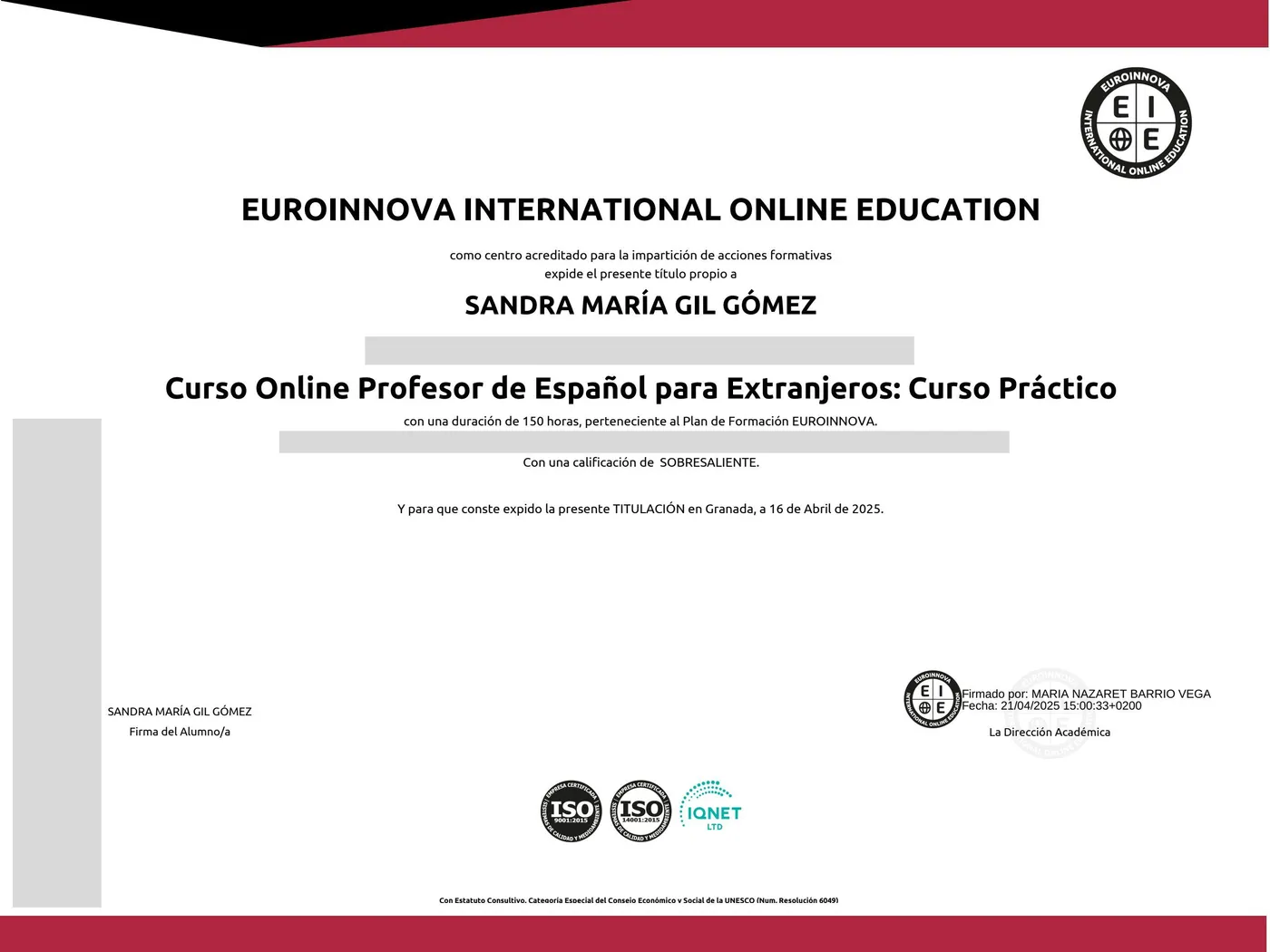
At ProLang the teacher is a native speaker from Spain: pronunciation, vocabulary and everyday references are Spanish. If your goal is Latin America, say so in the first lesson - the vocabulary and expressions are adjusted, and the difference amounts to about one lesson's worth of work.
Frequently asked questions
Will I be understood in Mexico if I learned Spanish from Spain?
Yes. The differences are comparable to British versus American English: audible but not an obstacle. Care is only needed with a handful of words that mean different things in different countries.
Do I have to learn vosotros?
If Spain is part of your plans, yes - it is everyday speech there. For Latin America it is unnecessary: ustedes covers every case.
Which variety does the DELE exam require?
Any of them. The Instituto Cervantes accepts regional varieties; what matters is not mixing them within one answer or piece of writing.
Book your free trial lesson
One to one with a native teacher, on Zoom.
Times shown in your zone: Europe/Madrid
Loading the timetable…
3. Your email for the confirmation and the Zoom link
One-to-one lessons with a native teacher
On Zoom with a qualified teacher from Spain who also speaks English.