The Communicative Method in Language Learning: A Complete Guide
Most people who studied a foreign language at school can conjugate verbs, fill in worksheets, and translate sentences about fictional characters. Yet when they land in another country, they freeze at the first real conversation. The communicative method exists to fix that gap. It puts real interaction at the centre of every lesson, and it is the foundation of how ProLang teaches every course.
This guide explains what the communicative method actually is, how it differs from traditional approaches, what lessons look like in practice, and what the research says about its effectiveness. Whether you are choosing a language school or simply curious about how modern language teaching works, everything you need is here.
What Is the Communicative Method in Language Learning
The communicative method, sometimes called Communicative Language Teaching (CLT), is an approach to language instruction that treats communication as both the goal and the primary tool. Instead of memorising grammar rules and vocabulary lists in isolation, learners use the language from the very first lesson. They talk, listen, negotiate meaning, make mistakes, correct themselves, and gradually build fluency through sustained practice in realistic situations.
The idea is straightforward. People learn languages by using them, not by studying about them. A child picking up their first language does not sit down with a conjugation table. They listen, they try to speak, they get feedback, and they try again. The communicative method applies the same logic to the classroom, albeit with some important structural differences that make it efficient for adults.
CLT emerged in the 1970s and 1980s as linguists and educators grew frustrated with the limits of earlier methods. The grammar-translation method, dominant for centuries, produced learners who could parse Latin sentences but could not hold a conversation. The audio-lingual method, popular in the mid-20th century, drilled sentence patterns until they became automatic, yet learners often could not adapt those patterns to new situations. The communicative method was designed to fix both problems.
At its core, CLT rests on a concept called communicative competence. This term, coined by Dell Hymes in 1972 and later expanded by Michael Canale and Merrill Swain, refers to the ability to use language appropriately in real social contexts. It is not enough to know that a sentence is grammatically correct. You also need to know when to use it, with whom, in what tone, and for what purpose. A learner who can produce a perfect conditional sentence but does not know when to use it politely in a restaurant has grammatical competence but lacks communicative competence.
In a communicative classroom, the teacher sets up activities that require learners to exchange real information, express genuine opinions, or solve actual problems. The focus is always on meaning first and form second. Grammar is not ignored, but it is taught in context, as a tool for clearer communication rather than as an end in itself.
At ProLang, every course is built around communicative principles. Tutors design lessons that push learners to speak, listen, read, and write in situations that mirror real life, whether that means negotiating a work deadline, ordering food at a market, or debating a topic with a classmate.
How the Communicative Approach Differs from Traditional Methods
To understand what makes the communicative approach distinctive, it helps to compare it with the methods it replaced.
In a traditional grammar-translation class, the teacher stands at the front, explains a grammar rule, and then asks students to apply that rule in written exercises. Students translate sentences from their native language into the target language and back. The textbook is central. Speaking and listening are secondary, if they happen at all. Success is measured by accuracy on written tests.
In the audio-lingual method, the teacher plays a recorded dialogue, and students repeat it. Drills follow: substitution drills, transformation drills, repetition drills. The goal is to build habits through repetition. Errors are corrected immediately because the theory holds that mistakes will become bad habits if left unchecked.
The communicative approach turns many of these assumptions upside down.
First, the direction of learning changes. Traditional methods work from rules to practice: learn the rule, then apply it. CLT works from practice to rules: use the language, notice patterns, then clarify the rules behind them. This mirrors how people naturally acquire language, and research from Stephen Krashen and others suggests it leads to deeper, more durable learning.
Second, the role of the teacher changes. In a communicative classroom, the teacher is not a lecturer but a facilitator. They set up activities, monitor learners, provide feedback, and step in to help when communication breaks down. The learners do most of the talking.
Third, errors are treated differently. In CLT, errors are a natural part of learning. A teacher might let a grammatical error slide if the learner's meaning is clear, then address the pattern later in a focused feedback session. This approach reduces anxiety and encourages learners to take risks with the language.
Fourth, the materials change. Instead of textbook dialogues about "Mr. Smith goes to the bank," communicative classrooms use authentic materials: newspaper articles, podcast clips, restaurant menus, email threads, social media posts. These expose learners to language as it is actually used, with all its messiness, slang, and variation.
Fifth, assessment changes. Instead of a grammar test, a communicative assessment might ask a learner to role-play a phone call, write a complaint email, or summarise a news article. The question is not "Do you know the rule?" but "Can you use the language to get things done?"
The difference in outcomes can be striking. Learners from grammar-translation backgrounds often have large passive vocabularies and solid knowledge of grammar rules, but they struggle to produce language spontaneously. Learners from communicative backgrounds may make more grammatical errors in the early stages, but they tend to develop functional fluency much faster.
Key Principles of Communicative Language Teaching
While CLT is flexible enough to look different in different classrooms, several core principles hold it together.
Communication is the goal, not just a byproduct. Every activity in a communicative lesson should involve genuine exchange of meaning. If students are completing a fill-in-the-blank exercise, it is not communicative, even if the sentences are about everyday topics. If students are asking each other genuine questions and listening to the answers, it is communicative, even if the grammar involved is simple.
Fluency and accuracy develop together. Traditional methods often treat fluency and accuracy as separate goals, with accuracy coming first. CLT treats them as intertwined. Learners practise speaking fluently from the start, and accuracy improves over time through feedback, noticing, and targeted instruction.
Learner autonomy matters. In a communicative classroom, learners are encouraged to take responsibility for their own learning. They choose topics, set goals, and evaluate their own progress. The teacher guides but does not dictate.
Authentic language is preferred. Materials drawn from real life are favoured over simplified textbook language. This does not mean throwing a beginner into a legal contract. It means selecting authentic materials that are appropriate for the learner's level and providing support to help them navigate the challenges.
All four skills are integrated. Reading, writing, listening, and speaking are practised together, not in isolation. A single lesson might involve reading a short article, discussing it with a partner, writing a response, and then presenting that response to the class.
The learner's first language has a limited role. In most communicative classrooms, the target language is the default medium of instruction. Translation is not banned, but it is used sparingly, usually to clarify a tricky concept rather than as a regular teaching tool.
Error correction is strategic. Teachers correct errors, but they choose their moments carefully. During a fluency-focused activity, constant correction would interrupt the flow and discourage participation. During an accuracy-focused activity, more immediate correction is appropriate.
These principles are not rigid rules. They are guidelines that teachers adapt to their learners' needs, their cultural context, and the specific language being taught. A good communicative teacher knows when to be strict and when to be flexible.
What a Communicative Lesson Looks Like
Theory is useful, but most learners want to know what actually happens in the classroom. Here is a typical structure for a 60-minute communicative lesson at an intermediate level.
Warm-up (5 minutes). The teacher starts with a quick, low-pressure speaking activity. It might be a question of the day: "What was the best meal you had this week?" Learners pair up and chat for a few minutes. The goal is to activate the target language and get everyone comfortable.
Lead-in (5 minutes). The teacher introduces the topic of the lesson, perhaps "making complaints." They might show a short video clip of someone complaining at a hotel reception desk and ask learners what they noticed. What was the problem? How did the guest express it? Was the receptionist helpful?
Presentation of language (10 minutes). The teacher highlights useful phrases and structures for making complaints: "I'm afraid there's a problem with...," "I was expecting...," "Could you please...?" These are not presented as grammar rules to memorise but as tools to use in the upcoming activity. The teacher might ask learners to categorise the phrases by formality or directness.
Controlled practice (10 minutes). Learners practise the new language in a structured way. They might complete a dialogue with the correct phrases, or match complaints with appropriate responses. This stage provides a safety net before the freer practice that follows.
Freer practice (20 minutes). This is the heart of the lesson. Learners work in pairs or small groups on a communicative task. For the complaints topic, they might role-play scenarios: one student is a hotel guest with a problem, the other is the receptionist. The scenarios are specific enough to be useful but open enough to allow genuine communication. "Your room is on a noisy street and you have an early meeting tomorrow. Speak to the receptionist." The teacher circulates, listens, takes notes, and offers help when needed but does not interrupt unnecessarily.
Feedback and error correction (10 minutes). After the practice, the teacher brings the class together. They highlight examples of good language use they overheard and address common errors. Crucially, they do not single out individual students. They might write a few incorrect sentences on the board and ask the class to correct them together.
This structure is not rigid. Some lessons might spend more time on presentation, others might be almost entirely free practice. The key is that learners spend the majority of class time actually using the language, not listening to explanations about it.
At ProLang, tutors follow this kind of structure but tailor it to each student. In one-to-one lessons, the freer practice stage becomes a genuine conversation between tutor and student, which is often where the fastest progress happens. You can explore how this works by booking a trial lesson.
Role-Playing and Real-Life Scenarios in the Classroom
Role-playing is one of the most powerful tools in the communicative classroom, and it is also one of the most misunderstood. When people hear "role-play," they sometimes imagine awkward theatrical performances. In practice, communicative role-plays are structured, purposeful, and surprisingly natural.
The idea is simple. Learners take on roles in situations they might actually encounter, and they use the target language to navigate those situations. The roles provide a context that makes the language meaningful. Instead of practising the past tense in a vacuum, a learner might recount a travel mishap to an insurance agent. Instead of drilling question forms, they might interview a classmate for a mock podcast.
Good role-plays share several features. They have an information gap, meaning each participant knows something the other does not. They have a clear goal, such as reaching an agreement, solving a problem, or exchanging information. And they allow for multiple possible outcomes, so learners must think on their feet rather than follow a script.
Here are some examples of communicative role-plays at different levels.
At the A1-A2 level, a learner might role-play ordering food at a cafe. One student is the customer, the other is the waiter. The customer has a menu with prices and must order within a budget. The waiter has a list of items that are "sold out" and must suggest alternatives. Both must listen and respond to what the other says. Even at this basic level, genuine communication is happening.
At the B1-B2 level, a pair of learners might negotiate a flat-share arrangement. One student has a list of requirements (quiet neighbourhood, near public transport, maximum rent). The other has details about three available flats, none of which is perfect. They must discuss the options and reach a decision. This requires expressing preferences, making comparisons, agreeing, disagreeing, and compromising, all core communicative functions.
At the C1-C2 level, a group might simulate a business meeting. Each participant represents a different department with different priorities and a limited budget. They must present their case, respond to objections, and reach a consensus. The language demands are high: persuasion, hedging, interrupting politely, summarising others' positions.
Role-plays work because they engage learners emotionally and cognitively. When you are trying to convince someone to agree with you, even in a pretend scenario, you are not just practising language. You are thinking, planning, and reacting in real time. This is exactly the kind of processing that builds fluency.
Teachers can also use simulations, which are extended role-plays that unfold over multiple lessons. A class might simulate planning a community event, running a small business, or organising a charity campaign. These projects require sustained use of the language across all four skills and give learners a sense of accomplishment when the project is complete.
At ProLang, role-playing is a regular part of lessons across all language proficiency levels. Tutors adjust the complexity and support to match each learner's ability, ensuring that the activity is challenging but not overwhelming.
Grammar in the Communicative Method: How It Is Taught
One of the most common criticisms of the communicative method is that it "ignores grammar." This is a myth, but it is a persistent one, so it is worth addressing in detail.
The communicative method does not ignore grammar. It teaches grammar differently. Instead of presenting grammar as a set of abstract rules to be memorised and drilled, CLT treats grammar as a resource for making meaning. The question is not "What is the rule?" but "What does this structure let me say, and when would I need it?"
There are two main approaches to grammar within CLT: focus on form and focus on forms. These terms, introduced by Michael Long in the 1990s, describe a crucial distinction.
Focus on forms is the traditional approach. The teacher selects a grammar point (say, the present perfect), teaches it explicitly, and then provides practice exercises. The grammar point is the organising principle of the lesson.
Focus on form, by contrast, means drawing learners' attention to grammar features as they arise during communicative activities. If a learner is telling a story and struggles with the past tense, the teacher might pause briefly to clarify the relevant rule, then let the learner continue. The grammar instruction is reactive, not pre-planned.
Most modern communicative teachers use a blend of both approaches. They plan lessons around communicative tasks but build in stages where specific grammar points are highlighted and practised. This is sometimes called task-supported language teaching.
Here is how grammar might be handled in a communicative lesson about giving advice.
The teacher starts with a discussion: "A friend is stressed about a job interview. What would you say?" Learners share ideas in pairs. The teacher listens and notices that learners are using a mix of structures: "You should...," "Why don't you...," "If I were you, I would...." Some learners are avoiding the conditional because they are not sure how to form it.
After the discussion, the teacher puts several advice-giving structures on the board. They ask learners to rank them by formality. They clarify the form and use of the second conditional ("If I were you, I would...") and provide a few quick practice sentences. Then learners return to a new discussion: "A friend wants to quit their job and travel the world. What advice would you give?" This time, they are encouraged to use the conditional alongside the other structures.
This approach works because the grammar instruction is motivated. Learners have just tried to give advice and found that they needed the conditional. When the teacher introduces it, they understand why it matters. The grammar point is a solution to a communication problem, not an abstract exercise.
Research supports this integrated approach. A major meta-analysis by John Norris and Lourdes Ortega, published in 2000 in the journal Language Learning, examined 49 studies comparing explicit and implicit grammar instruction. They found that explicit instruction, meaning instruction where the teacher clearly explains the rule, was more effective than purely implicit instruction. However, the most effective approach combined explicit instruction with communicative practice. In other words, tell learners the rule, then give them plenty of opportunities to use it in meaningful contexts.
This is exactly what happens at ProLang. Tutors explain grammar clearly when it is needed, but they never let grammar explanations take over the lesson. The rule is always in service of the task, never the other way around.
Is the Communicative Method Right for Beginners
Another common concern is whether the communicative method is suitable for absolute beginners. If the approach requires learners to communicate in the target language, how can someone with zero knowledge of that language do so?
The answer is: more easily than you might think.
Beginners do not need to have a large vocabulary or a command of grammar to communicate. In the earliest stages, communication can be as simple as pointing, gesturing, using single words, and relying on context. A beginner can learn to order a coffee, greet someone, or ask for directions in the very first lesson. The language they produce will be limited, but it will be real.
Communicative teachers working with beginners use several strategies to make this work.
They use visual aids extensively. Pictures, flashcards, realia (real objects), and gestures reduce the need for translation and help learners connect words directly to meanings.
They keep activities short and focused. A beginner might do five or six short activities in a lesson, each targeting a small piece of language. This prevents cognitive overload and maintains energy.
They provide models. Before asking learners to produce language, the teacher demonstrates what the activity looks like. They might do a sample dialogue with a stronger student or use a recorded example.
They accept approximation. In the early stages, the goal is successful communication, not perfect grammar. If a learner says "Yesterday I go to market" instead of "Yesterday I went to the market," the teacher might note the error but still affirm that the message was clear. Over time, accuracy improves.
They use the learner's first language strategically. While the target language is the default, a brief explanation in the learner's first language can save ten minutes of confusion. Good communicative teachers know when a quick translation or explanation in the shared language is the most efficient tool.
Stephen Krashen's input hypothesis suggests that learners acquire language when they receive comprehensible input, meaning language that is slightly above their current level but understandable through context. A communicative classroom for beginners is designed to provide exactly this: lots of understandable, meaningful language input, combined with opportunities to produce language in a supportive environment.
Many learners who start with the communicative method report that they feel more confident speaking than their peers who started with grammar-translation. They may know fewer rules, but they can actually use what they know. That confidence is crucial because it keeps people learning. A student who feels they can communicate, even imperfectly, is far more likely to continue than one who has memorised fifty grammar rules but has never spoken a sentence aloud.
If you are a complete beginner and wondering whether this approach will work for you, consider booking a trial lesson at ProLang. You will see firsthand how a communicative class operates at the beginner level, and you can judge for yourself whether it suits your learning style.
Communicative Method vs Grammar-Translation Method
The grammar-translation method and the communicative method represent two fundamentally different philosophies of language teaching. Understanding the contrast helps learners make informed choices about how they want to study.
The grammar-translation method originated in the teaching of classical languages, Latin and Greek, in European schools. Its goal was never to produce speakers. It was designed to help students read literary texts and pass written examinations. The method centres on explicit grammar instruction, translation exercises, vocabulary lists, and the analysis of sentence structure. Classes are conducted primarily in the students' native language. Speaking and listening receive little attention.
For certain purposes, grammar-translation has genuine strengths. It can give learners a deep understanding of how a language is put together. It is well-suited to self-study because textbooks can provide clear explanations and answer keys. It is orderly, predictable, and easy to assess through written tests.
However, it has serious limitations for anyone whose goal is to actually speak, listen, read, or write in the target language for real-world purposes. Decades of evidence show that grammar-translation alone does not produce functional communicators. Learners can often translate a sentence but cannot produce one independently. They can identify an error on a page but cannot hear one in conversation.
The communicative method, by contrast, was designed from the outset to produce people who can use the language. It prioritises interaction, meaningful practice, and real-world relevance. It accepts that learners will make errors and treats those errors as stepping stones rather than failures.
Here is a direct comparison across several dimensions.
Goal. Grammar-translation aims for knowledge about the language. CLT aims for the ability to use the language.
Classroom language. Grammar-translation uses the learners' first language as the main medium. CLT uses the target language as much as possible.
Skills emphasis. Grammar-translation focuses on reading and writing. CLT integrates all four skills: reading, writing, listening, and speaking.
Error treatment. Grammar-translation treats errors as failures to be corrected immediately. CLT treats errors as natural and corrects them strategically.
Role of the teacher. In grammar-translation, the teacher is the authority and knowledge source. In CLT, the teacher is a facilitator and guide.
Materials. Grammar-translation relies on textbooks with constructed examples. CLT uses authentic materials alongside adapted texts.
Assessment. Grammar-translation tests knowledge through translation and gap-fills. CLT assesses ability through tasks, presentations, and real-world simulations.
Motivation. Grammar-translation can feel dry and disconnected from real life. CLT tends to be more engaging because learners see the immediate relevance of what they are doing.
It is worth noting that these are not always pure either-or choices. Many modern language courses blend elements of both approaches. A good course might use communicative activities for most of the lesson but include a short grammar-translation exercise to clarify a tricky point. The question is which philosophy drives the course design. At ProLang, the driving philosophy is communicative, but tutors are pragmatic enough to use any tool that helps a particular learner. You can see the full range of courses at ProLang to get a sense of how this works in practice.
How to Find a School That Uses the Communicative Approach
Not every school that claims to use the communicative method actually does. The term has become a marketing buzzword in some parts of the language-teaching industry, and learners deserve to know what genuine communicative teaching looks like so they can make informed choices.
Here are practical signs that a school genuinely follows the communicative approach.
Ask about the lesson format. A communicative school will describe lessons in terms of activities and tasks, not chapters and grammar units. If the school says "In lesson 12 you will cover the past perfect," that is a grammar-focused curriculum. If they say "By week 6 you will be able to describe past experiences and tell anecdotes," that is a communicative curriculum organised around what learners can do.
Ask about speaking time. In a genuine communicative class, learners should be speaking for at least half the lesson. If the teacher is talking for 40 minutes out of 60, the approach is not communicative regardless of what the brochure says.
Ask about materials. Communicative schools use a mix of textbooks and authentic materials. If the only material is a single textbook that learners work through page by page, the approach is likely more traditional.
Ask about assessment. Communicative schools assess what learners can do, not just what they know. Oral assessments, presentations, and task-based tests are typical. If assessment is entirely written grammar tests, the school is not practising CLT.
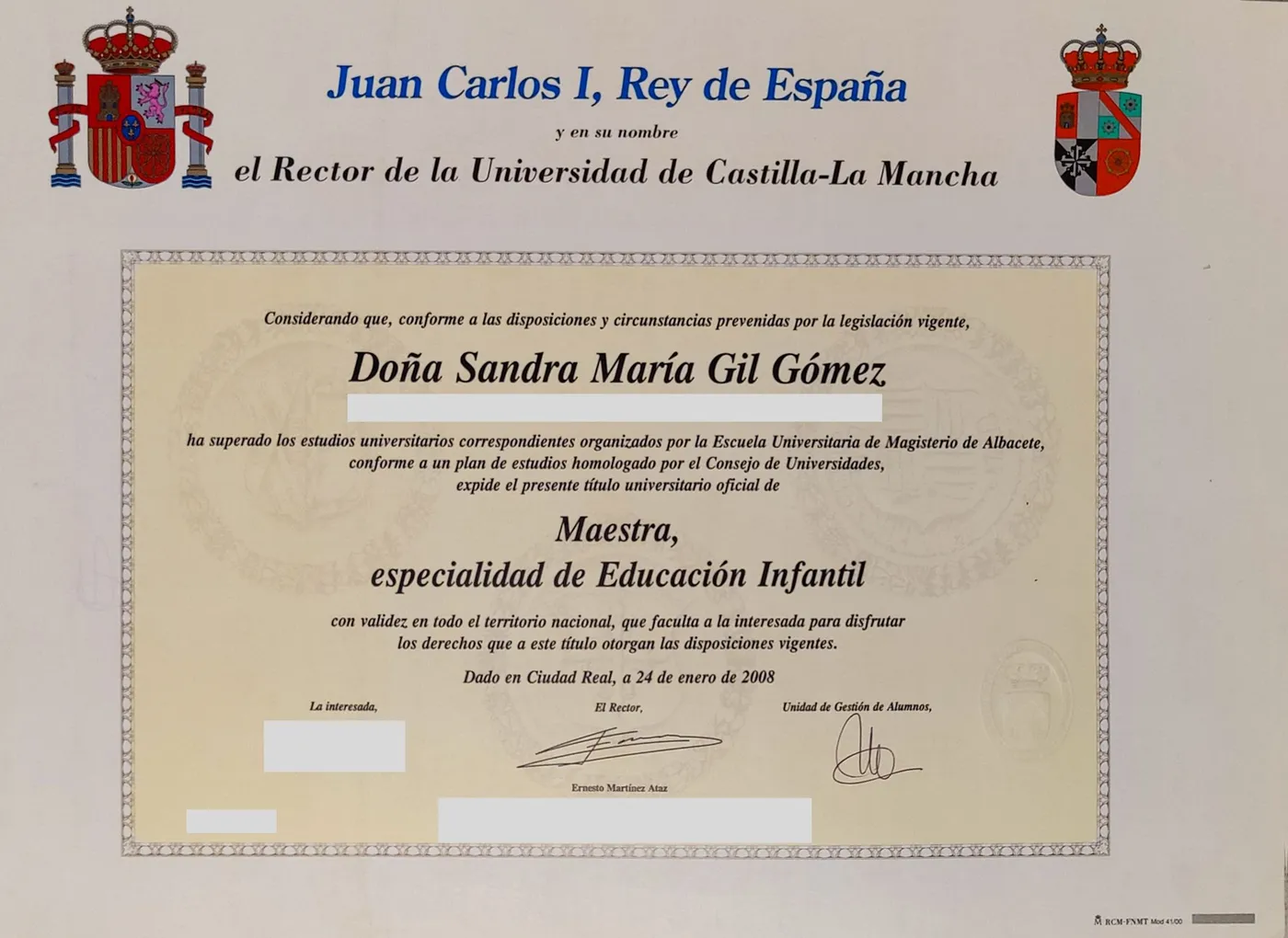
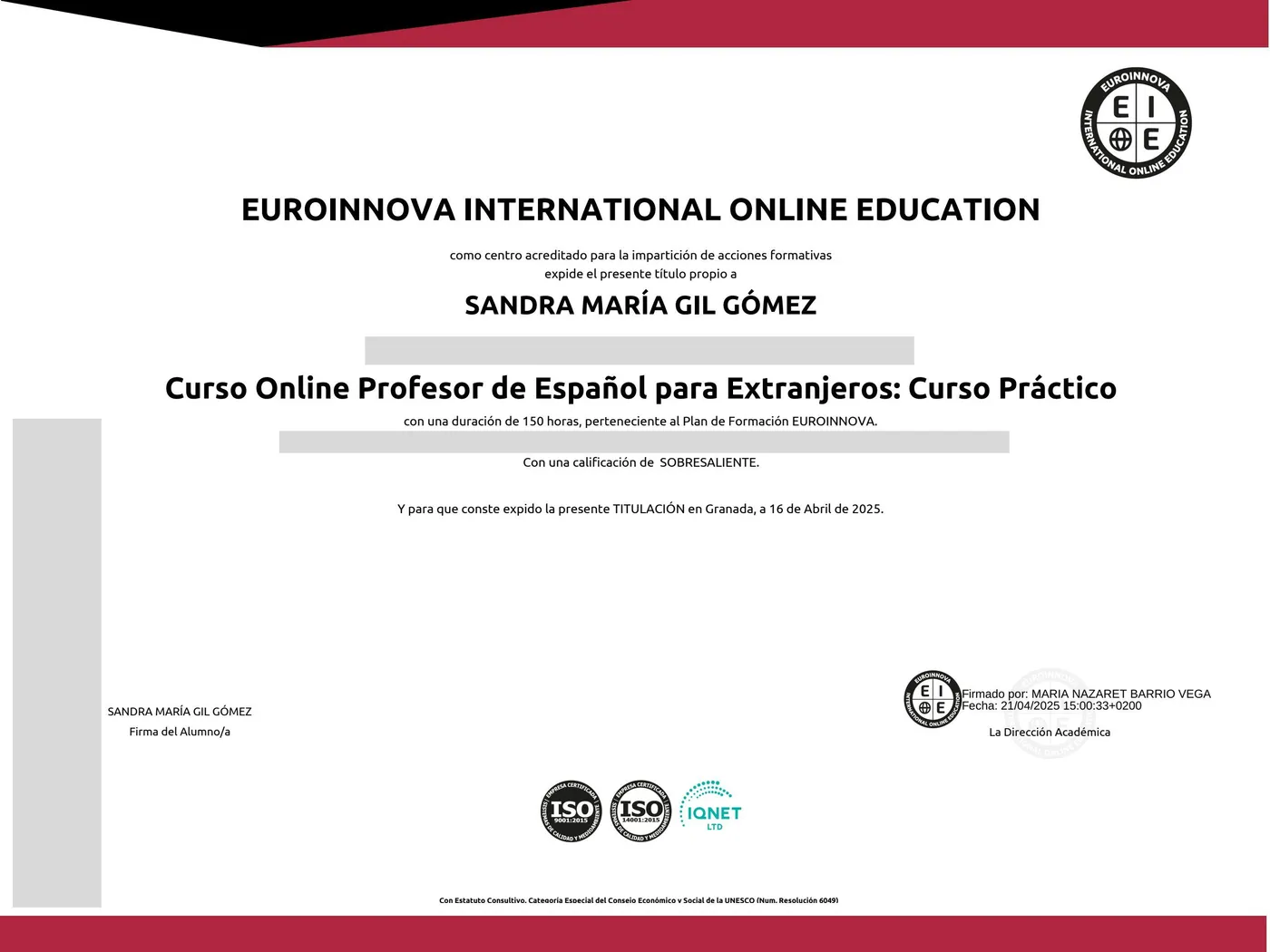
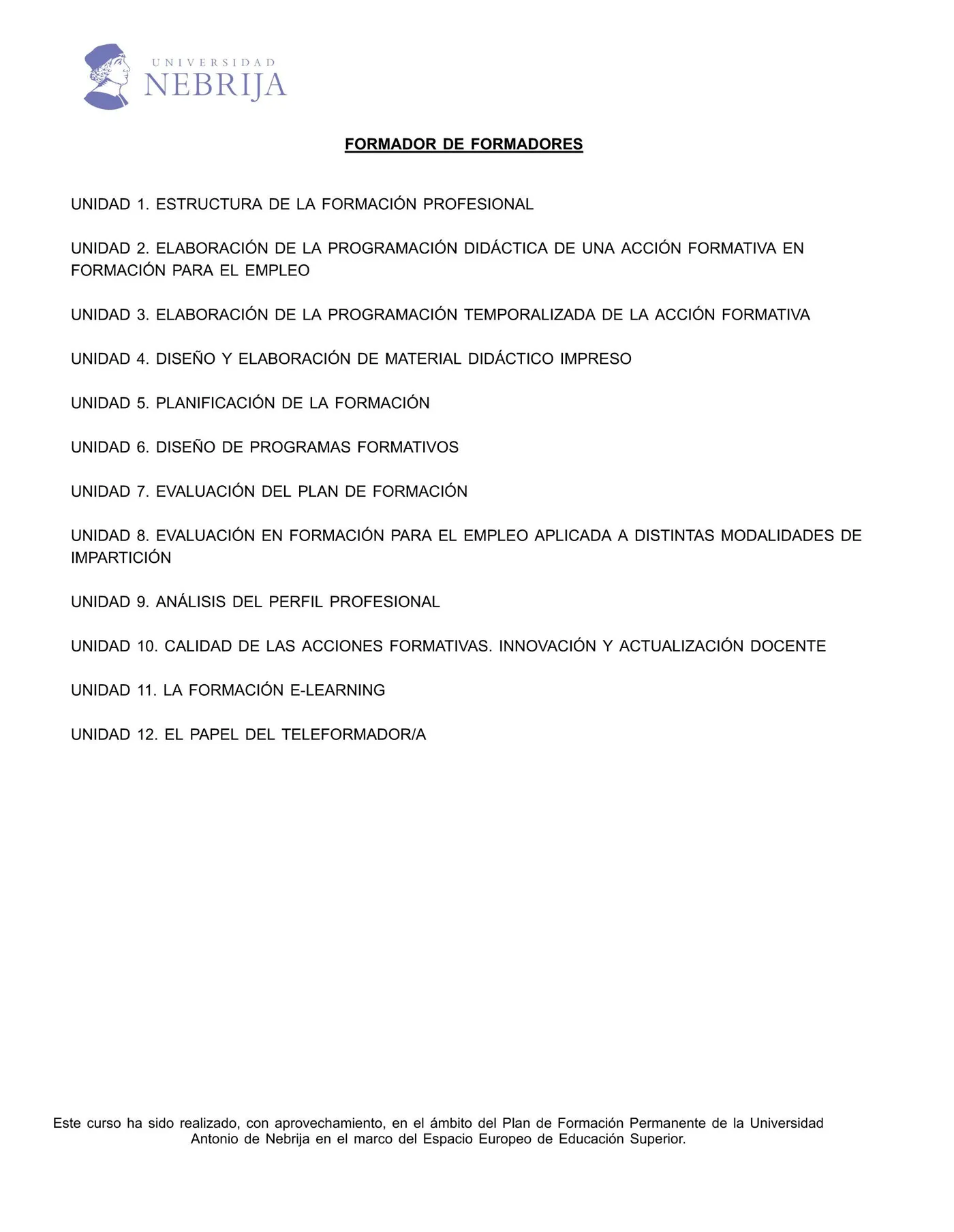
Ask about teacher training. Communicative teaching is a skill. Teachers need training in task design, error correction strategies, classroom management for pair and group work, and the use of authentic materials. Ask what qualifications the teachers hold and whether they receive ongoing professional development.
Request a trial lesson. The best way to judge a school is to experience a lesson. A genuine communicative class will feel active and interactive. You will be speaking within the first few minutes. The teacher will be listening more than lecturing. The activities will feel relevant to your life.
Check class sizes. Communicative teaching works best in small groups or one-to-one settings. Large classes of 20 or more make genuine communicative practice very difficult. Some schools manage it with well-designed group activities, but small classes are a strong indicator of quality.
Look for flexibility. Communicative schools tend to be responsive to learner needs. If a student is preparing for a job interview, a good communicative school will adjust the lessons to practise interview scenarios. Rigid, one-size-fits-all curricula are a red flag.
When evaluating tutors for one-to-one lessons, the same principles apply. A good communicative tutor will ask about your goals, design lessons around real tasks, and spend most of the lesson time listening to you rather than explaining rules. You can read more about what to look for in our guide on how to choose a language tutor.
ProLang makes this process straightforward. Every tutor on the platform is trained in communicative methods, lesson plans are tailored to individual goals, and you can book a trial lesson before committing to a full course.
Research and Evidence Behind the Communicative Method
The communicative method is not just a teaching philosophy. It is backed by decades of research in applied linguistics, second language acquisition, and education.
The theoretical foundations were laid in the 1970s. Dell Hymes introduced the concept of communicative competence in 1972, arguing that knowing a language means more than knowing its grammar. It means knowing how to use language appropriately in social contexts. Michael Canale and Merrill Swain expanded this idea in 1980, proposing a framework with four components: grammatical competence (knowledge of rules), sociolinguistic competence (knowledge of social norms), discourse competence (the ability to produce coherent texts), and strategic competence (the ability to manage communication breakdowns). This framework remains influential and underpins most modern communicative curricula.
Stephen Krashen's work in the 1980s provided another pillar. His input hypothesis argued that language acquisition occurs when learners receive comprehensible input, language that they can understand but that contains structures slightly beyond their current level. While Krashen's theories have been debated and refined, the core insight that learners need extensive, meaningful exposure to the target language is widely accepted. Communicative classrooms are designed to provide exactly this kind of input.
Merrill Swain's output hypothesis, developed in response to Krashen, added an important nuance. Swain argued that producing language, not just receiving it, is essential for acquisition. When learners try to express a thought and struggle, they notice gaps in their knowledge. This noticing drives learning. Communicative activities, particularly those that require learners to negotiate meaning with a partner, create exactly the conditions that Swain described.
Michael Long's interaction hypothesis, proposed in the 1980s and refined in the 1990s, brought these ideas together. Long argued that the negotiation of meaning during interaction, the moments when speakers check understanding, request clarification, or rephrase, is a key driver of language acquisition. This hypothesis has been supported by a substantial body of experimental research and provides a strong theoretical justification for the pair and group work that characterises communicative classrooms.
On the empirical side, the evidence is extensive. Sandra Savignon conducted pioneering studies in the early 1970s comparing students taught with communicative methods to those taught with audio-lingual methods. Her research, published in a series of articles and in her 1972 book "Communicative Competence: An Experiment in Foreign-Language Teaching," found that students in communicative classes developed stronger speaking skills without sacrificing grammatical accuracy.
The meta-analysis by Norris and Ortega (2000), published in Language Learning, is one of the most cited studies in the field. They reviewed 49 experimental and quasi-experimental studies on the effectiveness of grammar instruction and found that instruction embedded in communicative contexts was more effective for long-term retention than decontextualised grammar drills.
Research published in the Modern Language Journal has consistently supported communicative approaches. Studies have shown that CLT leads to greater gains in oral proficiency, stronger motivation, lower anxiety, and better retention compared to traditional methods. A 2006 study by Yingjie Yang in the same journal found that students in communicative classes developed significantly stronger listening comprehension than those in grammar-focused classes, even though listening was not the explicit focus of instruction. This suggests that the rich, interactive environment of a communicative classroom benefits all skills, not just the ones being directly practised.
More recent research has explored how CLT works in different cultural contexts. Studies in East Asian, Middle Eastern, and Latin American settings have found that the method is effective across cultures, though implementation may need to be adapted to local expectations about classroom behaviour, teacher authority, and the role of the written word.
It is important to note that no teaching method works in a vacuum. The quality of the teacher, the motivation of the learner, the frequency and duration of lessons, and access to the target language outside the classroom all play crucial roles. The communicative method provides a framework, but it is the skill of the teacher and the commitment of the learner that make it work.
The research consensus is clear. For learners whose goal is to communicate, meaning to speak, listen, read, and write in real-world contexts, the communicative method is the most effective approach available. It is not perfect, and good teachers are always refining their practice, but it is the best tool we have.
The communicative method is not a trend. It is the result of decades of research into how people actually learn languages. It works because it treats language as something you do, not something you study. At ProLang, every tutor is trained to build lessons around real communication, so you start speaking from day one and never stop.
Frequently asked questions
Does the communicative method teach grammar at all?
Yes, grammar is taught, just in a different order. Learners first try a task, discover which structure they are missing, and then the teacher explains the rule clearly and has them use it again straight away. The Norris and Ortega meta-analysis of 49 studies found that explicit instruction combined with communicative practice worked better than purely implicit learning.
Can a complete beginner learn with the communicative method?
Yes. From the first lesson a beginner can greet someone, order a coffee or ask for directions, using single words, gestures and set phrases. Teachers keep activities short, rely on pictures and models, accept imperfect sentences as long as the message is clear, and use the learner's first language briefly when it saves time.
What happens in a typical communicative lesson?
A 60-minute lesson usually runs as warm-up, lead-in, presentation of useful phrases, controlled practice, about 20 minutes of freer practice such as a role-play, and a final feedback stage. The teacher mostly listens during practice, notes errors and discusses them afterwards without singling anyone out. The proportions change from lesson to lesson.
How can I tell if a school really uses the communicative approach?
Take a trial lesson and notice who does the talking: learners should speak for at least half the time. Ask whether the course is described as things you will be able to do rather than grammar chapters, whether authentic materials and oral assessment are used, and how large the groups are. Twenty or more students make real practice very hard.
Book your free trial lesson
One to one with a native teacher, on Zoom.
Times shown in your zone: Europe/Madrid
Loading the timetable…
3. Your email for the confirmation and the Zoom link
One-to-one lessons with a native teacher
On Zoom with a qualified teacher from Spain who also speaks English.