Benefits of Private Language Tutoring
Most language learners have been in the same situation at some point. You sign up for a group class full of good intentions, show up for the first few weeks, and then life gets in the way. The Tuesday evening slot clashes with a work deadline. You miss one session, then two, and before long you have quietly stopped going. Private tutoring offers a completely different experience. Every session is built around your goals, your schedule, and your current level. Whether you want to pass an IELTS exam, handle business calls in French, or simply order dinner in Rome without pointing at the menu, a private tutor gives you a direct path forward. This article breaks down the real, practical benefits of choosing private language tutoring over other options, and it will help you figure out whether one-on-one lessons are the right investment for your situation.
The concept itself is not new. People have been hiring private language tutors for centuries, from aristocrats preparing for diplomatic careers to traders learning the languages of their business partners. What has changed is accessibility. Online platforms, video calls, and digital learning tools mean you no longer need to live in the same city as your tutor. You can take a lesson from your kitchen table at six in the morning or from a hotel room while traveling for work. The barriers are lower than they have ever been, and the results are just as strong as they were when tutoring meant sitting across a desk from someone in person.
Before we get into the details, it is worth being honest about one thing. Private tutoring is not the only way to learn a language. Group classes, self-study apps, immersion travel, and language exchange partners all have their place. But when your goals are specific, your time is limited, or you have hit a wall with other methods, private tutoring consistently comes out ahead. Here is why.
Why Private Language Tutoring Is Worth the Investment
The first question most people ask about private tutoring is whether it is worth the cost. In the United States and the United Kingdom, private language lessons typically range from $30 to $80 per hour, depending on the tutor's experience, the language, and whether lessons happen online or in person. Compare that to a group class that might cost $15 per session but includes twelve other students, and the math starts to shift.
In a sixty-minute group class with twelve students, each person gets roughly five minutes of individual speaking time. The rest of the hour is spent listening to the teacher, waiting for your turn, or watching other students work through exercises that may not match your level. In a private lesson, every single minute is yours. That means a single hour of private tutoring can deliver more active practice than three or four group sessions combined.
Think of it like this. If you hired a personal trainer at the gym, you would not expect to share them with eleven other people and do the same generic workout as everyone else. You would expect exercises chosen for your body, your fitness level, and your goals. Language tutoring works the same way. The investment is higher per session, but the value per minute is dramatically better.
There is also the question of time. A working professional commuting across London or New York City does not always have the luxury of committing to a fixed class schedule for months at a time. Private tutoring fits around your life instead of asking your life to fit around it. When you factor in the hours saved by not sitting through material you already know, the cost comparison tilts even further in favor of one-on-one lessons.
ProLang offers a trial lesson specifically so you can experience the difference before committing. It is a low-risk way to see whether private tutoring is the right fit for your learning style and your budget.
Beyond the immediate cost, consider the long-term savings. Students who work privately often reach their target level in half the time it takes in a group setting. That means fewer total lessons, fewer months of subscription fees, and a faster path to using your new language in the real world, whether that means landing a job, passing an exam, or feeling comfortable on your next trip abroad.
How Private Lessons Accelerate Language Learning
Speed of progress is one of the clearest advantages of private tutoring, and it is not just anecdotal. Studies on second language acquisition consistently show that learners who receive individual instruction outpace those in group settings by a significant margin. The reasons are straightforward when you think about them.
First, you talk more. In a private lesson, there is no splitting airtime with other students. You speak, your tutor responds, you speak again. This constant back-and-forth is what builds fluency. It is the difference between reading about swimming and actually getting in the pool. The sheer volume of speaking practice in a private lesson is hard to replicate in any other format.
Second, mistakes get corrected immediately. In a group class, a teacher might not notice that you have been mispronouncing a word for three weeks until it shows up on a test. A private tutor catches it in real time, explains why it happened, and gives you a chance to correct it on the spot. This instant feedback loop prevents bad habits from taking root.
Third, there is no wasted time on material you already know. If you already understand the present tense perfectly, a private tutor does not make you sit through a forty-minute review of it because two other students in the class are still struggling. You move on to what you actually need to work on.
Consider the experience of a typical learner preparing for the Cambridge CAE exam. In a group prep course, the class might spend two weeks on the reading section even though this particular student scores well on reading and struggles with the listening component. In a private setting, the tutor identifies that imbalance in the first session and builds a plan that spends 70% of the time on listening and speaking. The result is faster improvement in the areas that matter most.
At ProLang, tutors track your progress through regular check-ins and short assessments. This is not just to measure how far you have come. It is to make sure every future lesson is calibrated to where you are right now. The combination of constant adjustment and focused practice is what turns weeks of effort into measurable, visible results.
Personalized Learning Plans: The Key Advantage
A standard language textbook follows a predetermined path. Chapter one covers greetings. Chapter five introduces the past tense. Chapter ten tackles conditional sentences. The order is logical, but it assumes every learner needs the same things in the same sequence. Real life does not work that way.
A private tutor builds a learning plan around your specific situation. If you are relocating to Munich in three months, your plan prioritizes the vocabulary and phrases you will need for apartment hunting, setting up utilities, and navigating German bureaucracy. If you are a nurse preparing to work in a French-speaking hospital, your plan focuses on medical terminology, patient communication, and the specific cultural expectations of healthcare in France.
This level of customization is the single biggest advantage of private tutoring. It means every lesson feels directly relevant to your life, which keeps motivation high. One of the most common reasons people abandon language learning is that the material feels disconnected from anything they actually care about. When your tutor uses your real work emails as reading exercises or role-plays the exact kind of conversation you will have at a parent-teacher meeting in Spain, that disconnect disappears.
Here is what a personalized learning plan might look like in practice:
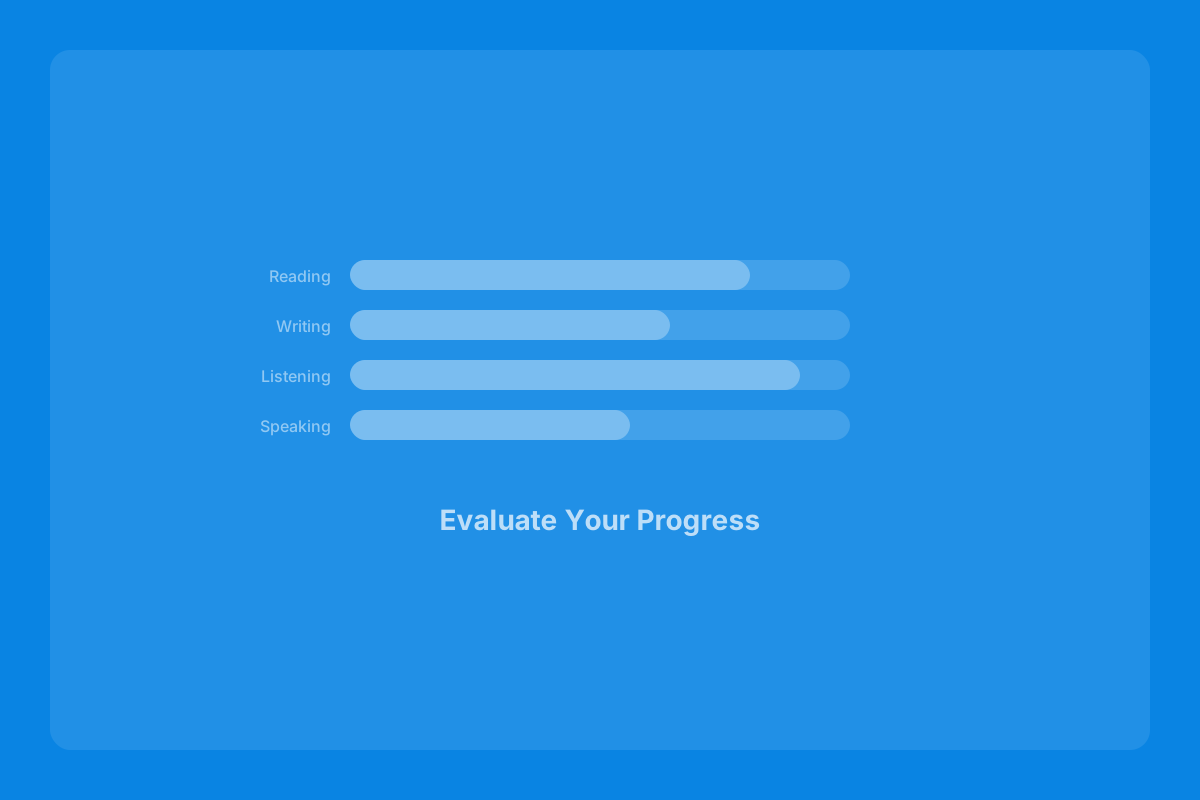
- Week 1-2: Assessment and goal-setting. Your tutor evaluates your current level across all four skills (reading, writing, listening, speaking) and identifies the gaps between where you are and where you need to be.
- Week 3-6: Targeted skill building. Lessons focus on your weakest areas, using materials drawn from your actual life. If you struggle with listening comprehension, your tutor might use clips from podcasts you already follow or recordings of the kind of meetings you attend at work.
- Week 7-10: Integration and practice. You start applying what you have learned in simulated real-world scenarios. Mock phone calls, practice presentations, written responses to realistic prompts.
- Week 11-12: Review and recalibration. Your tutor reassesses your level, measures progress against your original goals, and adjusts the plan for the next phase.
This structured but flexible approach is what makes private tutoring so effective. You always know what you are working toward, and your tutor always knows how to get you there. A monthly course at ProLang follows exactly this kind of iterative planning cycle.
Private Tutoring for Exam Preparation
If you need to pass a language exam, private tutoring is not just helpful. It is often the difference between passing and failing, or between a good score and a great one.
Standardized language exams are not just tests of how well you speak a language. They are tests of how well you perform within a very specific format. IELTS has four sections (listening, reading, writing, speaking) with strict time limits and particular question types. The Cambridge FCE, CAE, and CPE each have their own structure, scoring system, and common traps. TOEFL uses a different format again, with integrated tasks that combine reading, listening, and speaking in a single question. For learners of other languages, DELF and DALF (French), DELE (Spanish), and Goethe-Zertifikat (German) each come with their own set of challenges.
A private tutor who specializes in exam preparation knows these formats inside and out. They can tell you, for example, that IELTS Writing Task 2 penalizes you for not addressing all parts of the question, or that the CAE Use of English section rewards specific patterns of word formation. This kind of insider knowledge is difficult to pick up from a textbook alone.
Here is what exam-focused private tutoring typically involves:
- Diagnostic testing to identify your starting level and predict your current score
- Targeted practice on the sections where you lose the most points
- Full-length mock exams under timed conditions to build stamina and reduce test-day anxiety
- Detailed feedback on writing samples, including scoring against official rubrics
- Speaking practice that mirrors the exact format of the oral exam
- Strategies for time management, question prioritization, and educated guessing
Students who prepare privately often see score improvements of one to two band levels on IELTS or the equivalent jump on other exams. That can be the difference between meeting a university admission requirement and falling short. For immigrants applying for residency or citizenship in countries that require language certification, it can determine whether an application moves forward or stalls.
The key is that a private tutor does not waste your time on areas where you already score well. If your IELTS reading score is already a 7.5 but your speaking is a 5.5, your tutor spends the majority of your sessions on speaking practice. That kind of strategic allocation of effort is simply not possible in a group prep course.
How Private Tutors Adapt to Your Learning Style
Not everyone learns the same way, and a good private tutor recognizes this from the very first session. Some learners are primarily auditory. They absorb language best through conversation, podcasts, and songs. Others are visual learners who need to see grammar rules written out on paper, color-coded and organized into charts, before anything clicks. Some people learn through movement and activity, turning vocabulary practice into a physical game or walking through scenarios in real time.
In a group class, the teacher picks one approach and hopes it works for most of the room. If you are a visual learner stuck in a conversation-heavy class, or an auditory learner buried under worksheets, you spend a lot of energy fighting the method instead of learning the language.
A private tutor experiments with different approaches in the first few sessions and pays attention to what sticks. They might notice that you remember vocabulary better when you write it down by hand, or that you understand grammar explanations faster when they are presented through examples rather than rules. Over time, they build a teaching approach that is tailored specifically to how your brain processes new information.
This matters more than most people realize. Research in educational psychology has shown that matching instruction to a learner's preferred style can significantly improve retention and motivation. When lessons feel natural and intuitive, you spend less mental energy on the process of learning and more on the content itself.
Here are a few ways tutors adapt to different learning styles:
- For auditory learners: heavy use of conversation practice, podcast listening exercises, dictation, and oral repetition drills
- For visual learners: mind maps, written grammar summaries, color-coded flashcards, and video-based exercises
- For reading/writing learners: journal writing, translation exercises, reading comprehension tasks, and written dialogues
- For kinesthetic learners: role-playing scenarios, interactive games, lesson walks (practicing vocabulary while moving), and hands-on activities
At ProLang, tutors are trained to identify learning style preferences early and adjust their methods accordingly. This is not about putting you in a box. It is about finding the approach that makes every lesson as productive as possible.
Overcoming Speaking Anxiety with a Private Tutor
Fear of speaking is the single most common obstacle in language learning, and it affects learners at every level. Beginners worry about saying something wrong. Intermediate learners worry about sounding childish or unsophisticated. Even advanced speakers sometimes freeze up in high-pressure situations, like a job interview or a presentation in front of colleagues.
In a group class, this anxiety often gets worse. You know you should raise your hand and attempt an answer, but the thought of stumbling in front of ten other people keeps you quiet. Over time, this avoidance becomes a habit. You become the student who understands everything but never says anything, and your speaking skills stagnate while your reading and listening improve.
A private lesson eliminates the audience entirely. There is no one to judge you except your tutor, and a good tutor is specifically trained not to judge. They expect mistakes. They welcome them, because mistakes are where learning actually happens.
Think about what it feels like to practice a language with a close friend versus speaking up in a meeting full of strangers. With a friend, you relax. You try words you are not sure about. You ask "how do you say this?" without embarrassment. A private lesson recreates that safe environment, but with a professional who can guide you toward correct usage and more natural expression.
Over weeks and months of regular private practice, something changes. You start to internalize the idea that making mistakes is not a failure. It is part of the process. Your speaking becomes more spontaneous. You stop translating in your head before every sentence. You develop what language educators call "communicative confidence," the willingness to jump into a conversation even when you know your grammar is not perfect.
This transformation is difficult to achieve in a group setting. The social dynamics of a classroom, no matter how supportive the teacher tries to make it, always carry some degree of performance pressure. A private lesson strips that away and lets you focus entirely on communication.
For learners who experience severe speaking anxiety, some ProLang tutors use gradual exposure techniques. They might start with simple question-and-answer exercises, move to guided dialogues, then progress to unstructured conversation. Each step builds on the last, and the pace is set by your comfort level, not by a class schedule.
Private Tutoring for Professional Language Skills
If your career requires you to work in another language, the stakes are higher than in casual learning. Sending an email with the wrong tone can damage a client relationship. Using informal language in a formal meeting can undermine your credibility. Misunderstanding a cultural norm can create awkwardness that takes months to repair.
General language classes rarely address these professional nuances. They teach you how to order coffee and ask for directions, not how to negotiate a contract, deliver bad news diplomatically, or navigate the unspoken rules of office culture in another country.
Private tutoring for professional purposes is built around the specific demands of your job. A lawyer preparing to work with French-speaking clients will practice legal terminology and the formal register of professional correspondence. A marketing manager relocating to Madrid will focus on presentation skills, persuasive writing, and the vocabulary of their industry. A healthcare worker moving to Germany will drill medical terms, patient communication protocols, and the bureaucratic language of the German healthcare system.
Here are some of the professional scenarios private tutoring can prepare you for:
- Job interviews in a foreign language, including common questions, appropriate body language, and cultural expectations
- Business presentations and pitches, with practice on delivery, pronunciation of technical terms, and handling Q&A sessions
- Email and written communication, covering formal register, diplomatic phrasing, and industry-specific conventions
- Client meetings and negotiations, including strategies for clarifying misunderstandings and managing cross-cultural communication
- Networking events and professional socializing, where the ability to make small talk in someone's language builds trust and rapport
The value of this kind of targeted preparation is hard to overstate. In industries like finance, consulting, hospitality, and international development, the ability to work confidently in a second language is a career accelerator. It opens doors that remain closed to monolingual candidates and signals a level of commitment and cultural awareness that employers value highly.
ProLang tutors who specialize in professional language training often have backgrounds in business, academia, or specific industries themselves. This means they do not just teach you the language. They understand the professional context in which you need to use it.
How to Maximize Every Private Lesson
Private tutoring is an investment of both money and time, and like any investment, your returns depend partly on what you put in. A student who shows up unprepared, does no practice between sessions, and treats lessons as the entirety of their learning will make progress. But a student who actively engages with the process will make progress three or four times faster.
Here are practical strategies for getting the most out of every private lesson:
Prepare before each session. Spend ten minutes reviewing your notes from the previous lesson. Write down two or three questions or topics you want to cover. If your tutor assigned homework, complete it. Showing up prepared means you spend the lesson learning new material instead of reviewing old material.
Keep a vocabulary journal. Every time you encounter a new word or phrase in a lesson, write it down along with an example sentence. Review the journal for five minutes each day. Spaced repetition, the practice of revisiting material at increasing intervals, is one of the most effective memory techniques available.
Practice between lessons. Even ten minutes a day makes a significant difference. Listen to a podcast in your target language during your commute. Change your phone's language settings. Follow social media accounts that post in the language you are learning. These small habits create constant exposure that reinforces what you learn in sessions.
Record your lessons (with your tutor's permission). Listening back to a lesson lets you catch things you missed in real time. You can hear your own mistakes, notice patterns in your speech, and review explanations that did not fully click the first time.
Set short-term goals. Instead of thinking "I want to be fluent," set goals like "I want to order a meal in Italian without switching to English" or "I want to write a professional email in German by the end of the month." These concrete targets give your lessons direction and make progress feel tangible.
Give your tutor feedback. If a particular exercise felt unhelpful, say so. If you want more conversation practice and fewer grammar drills, ask for it. A good tutor welcomes this input because it helps them serve you better.
Do not skip sessions. Consistency matters more than intensity. Two lessons per week, every week, will produce better results than cramming four lessons into one week and then disappearing for a month.
The students who get the most dramatic results from private tutoring are the ones who treat it as the centerpiece of a broader learning routine, not the only component. Your tutor provides expertise, structure, and accountability. You provide the daily practice that turns short-term learning into long-term retention.
Private vs Group Lessons: A Detailed Comparison
Choosing between private and group lessons is not always straightforward. Both formats have genuine strengths, and the best choice depends on your goals, your budget, your personality, and your timeline. Here is a honest comparison across the factors that matter most.
Speaking time. In a private lesson, you speak for most of the hour. In a group of ten, you might speak for five or six minutes total. If building speaking fluency is your primary goal, the difference is enormous.
Cost per session. Group lessons are cheaper per session, typically $10 to $25 compared to $30 to $80 for private tutoring. But cost per minute of active learning often favors private lessons when you factor in the personalized attention and faster progress.
Social interaction. Group classes offer something private lessons cannot: the chance to learn alongside other people. You hear different accents, practice with multiple conversation partners, and share the experience of learning with a community. For some learners, this social element is a major source of motivation.
Pace and flexibility. In a group, the pace is set by the average level of the class. If you are ahead, you wait. If you are behind, you scramble. Private lessons move at exactly your speed, with the flexibility to slow down or speed up based on how each topic lands.
Scheduling. Group classes run on fixed schedules. If you miss a session, you miss the material. Private lessons can be rescheduled, and the content adjusts to accommodate gaps.
Accountability. Group classes provide passive accountability. You show up because the class is happening whether you are there or not. Private lessons provide active accountability. Your tutor knows exactly what you are working on, tracks your progress, and notices when you have not been practicing.
Exam preparation. For standardized exams, private tutoring is almost always the better choice. The format is too specific and the stakes are too high for a one-size-fits-all approach.
Professional language skills. If you need language skills for work, private tutoring wins. The vocabulary, register, and scenarios you need are too specialized for a group setting.
For many learners, the ideal approach is a combination: group classes for social practice and exposure, plus private tutoring for targeted skill building and exam prep. ProLang offers both formats, and many students start with a trial lesson to experience private tutoring before deciding on a longer commitment.
The bottom line is that group lessons are a good starting point for casual learners with flexible timelines, while private tutoring is the better investment for anyone with specific goals and a deadline to meet.
Finding the Right Private Tutor for Your Goals
The quality of your private tutoring experience depends almost entirely on the quality of your tutor. A great tutor makes every session feel productive and engaging. A poor match can leave you frustrated, bored, or stuck.
Here is what to look for when choosing a private language tutor:
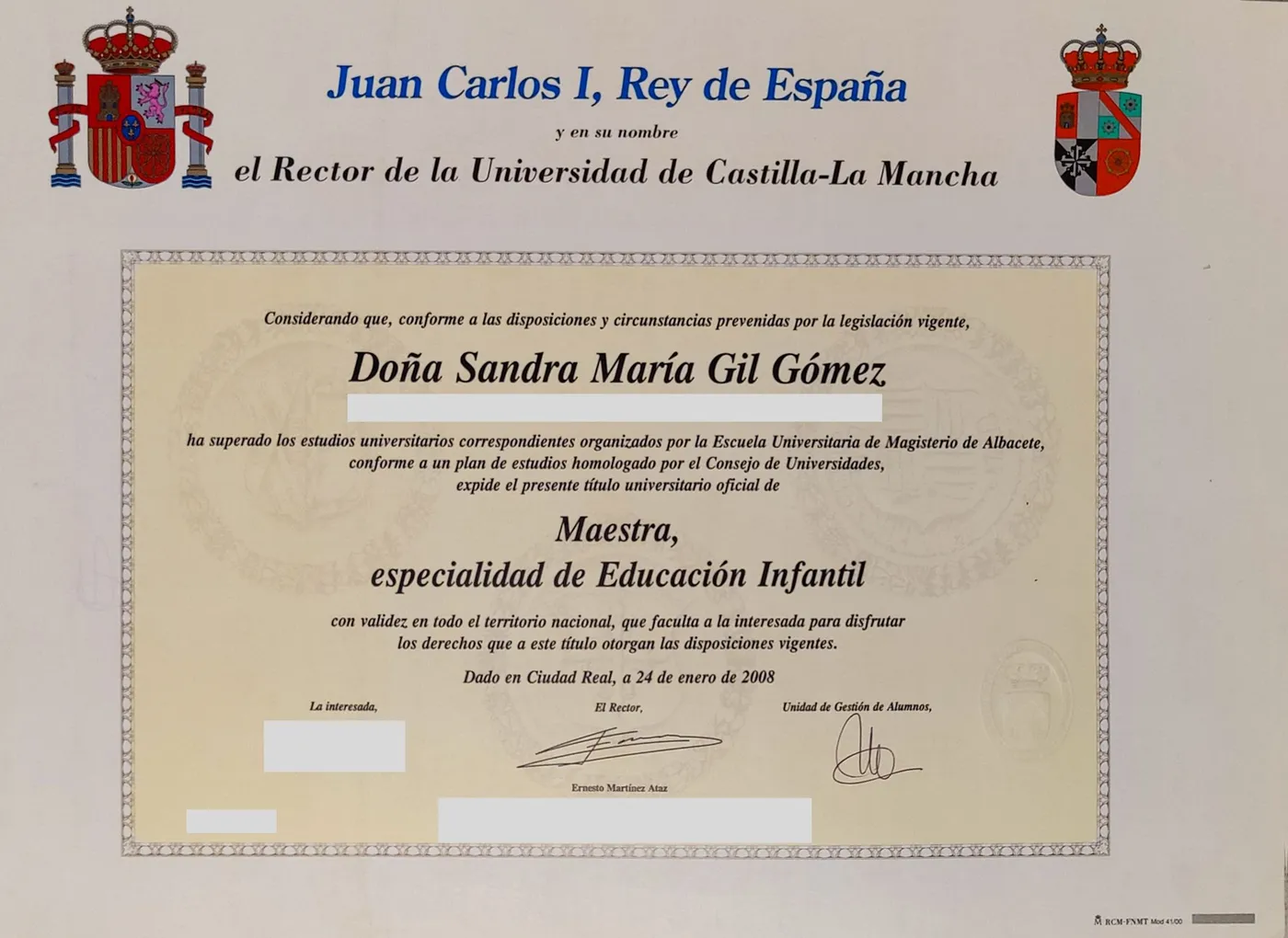
Teaching credentials. A tutor with formal training in language education (CELTA, DELTA, or a university degree in applied linguistics) brings pedagogical knowledge that self-taught tutors often lack. They understand how adults learn languages, how to structure a lesson, and how to diagnose the root cause of recurring mistakes.
Experience with your specific goals. A tutor who has spent five years preparing students for the IELTS exam will be more effective at exam prep than a general conversation tutor. Similarly, a tutor with a background in business will be better at teaching professional language skills. Ask about their experience with learners who have goals similar to yours.
Native or near-native proficiency. For pronunciation and natural expression, a native speaker often has an advantage. But a skilled non-native tutor who shares your first language can be exceptionally good at explaining grammar, because they have learned the same rules you are trying to learn and they know exactly where the tricky parts are.
Communication style. Some tutors are energetic and conversational. Others are calm and methodical. Neither is inherently better, but one will suit you more than the other. Pay attention to how you feel during the first session. Do you feel comfortable asking questions? Does the tutor explain things in a way that makes sense to you? Do you leave the lesson feeling motivated or drained?
Trial lessons. Always take a trial lesson before committing to a package. A profile and a list of qualifications can only tell you so much. The real test is sitting across from the tutor (in person or on a screen) and seeing whether the dynamic works. ProLang offers trial lessons for exactly this reason, so you can evaluate the fit without financial risk.
Reviews and references. If available, read reviews from other students. Look for comments about the tutor's reliability, patience, and ability to adapt. A tutor with glowing reviews from exam prep students might be perfect if that is your goal, but not necessarily if you want relaxed conversation practice.
Availability and consistency. A brilliant tutor who cancels frequently or has limited availability will slow your progress. Look for someone who can offer regular, consistent sessions at times that work for your schedule.
Once you find the right tutor, invest in the relationship. Share your goals clearly, provide honest feedback, and stick with the process long enough to see results. Most learners start to notice real improvement after eight to twelve consistent sessions. By that point, your tutor knows your strengths, your weaknesses, your sense of humor, and the specific situations where you need the most support.
Language learning is a long game, and the right tutor is the person who keeps you moving forward even when motivation dips, life gets busy, or the grammar feels impossibly complicated. At ProLang, matching students with the right tutor is not an afterthought. It is the foundation of everything else.
The truth is, most people do not fail at language learning because they lack talent or discipline. They fail because the method did not fit their life, the content did not feel relevant, or nobody was there to say "you are closer than you think, keep going." Private tutoring addresses all three of those problems at once. It gives you a method that adapts to your schedule, content that connects to your real goals, and a person who is invested in your success. Whether you are preparing for an exam, building skills for your career, or simply tired of making no progress in group classes, one-on-one lessons offer the focused, flexible, human approach that makes the difference. The best time to start is whenever your goals become specific enough to deserve a plan.
Book your free trial lesson
One to one with a native teacher, on Zoom.
Times shown in your zone: Europe/Madrid
Loading the timetable…
3. Your email for the confirmation and the Zoom link
One-to-one lessons with a native teacher
On Zoom with a qualified teacher from Spain who also speaks English.